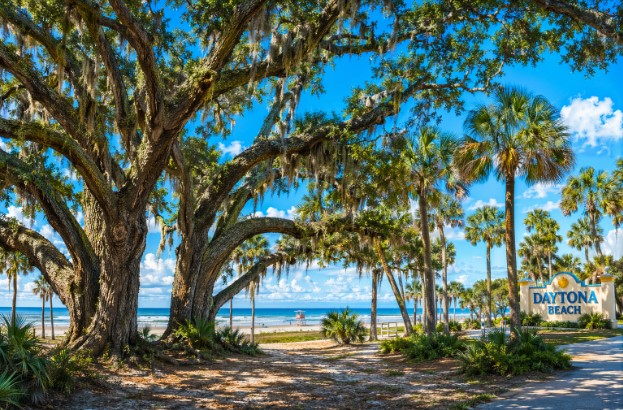
Living in Daytona Beach means enjoying beautiful trees year-round, but Florida weather can be tough on them. Warm temperatures, steady rain, and a humid climate help landscapes grow fast, yet they also raise the risk of disease, pests, and stress. That is why good tree care matters so much. When you know what warning signs to watch for, you can protect tree health, preserve curb appeal, and avoid expensive damage. Let’s look at the most common issues and how you can stay ahead of them.
Common Tree Diseases in Daytona Beach
In Daytona Beach, the most common tree diseases are often linked to moisture, fungal spores, and stressed root systems. Problems such as root rot, anthracnose, powdery mildew, ganoderma, and laurel wilt can affect overall tree health before the damage is obvious from a distance.
You can lower risk with disease prevention steps like regular pruning, better air circulation, careful watering, and seasonal tree inspection. Watch for signs of disease early, because small changes in leaves, bark, or growth often signal bigger trouble. The next sections break down what to look for and what each issue can do.
Identifying Fungal Diseases and Their Effects
Many of the most common tree diseases found in Daytona Beach are tied to fungal disease. Florida’s warm, damp weather gives fungal spores the conditions they need to spread fast, especially in shady areas or spots with poor drainage. Once fungal infections begin, they can weaken healthy trees over time.
You may notice these signs of tree disease:
- White or gray coating from powdery mildew on leaves, buds, or stems
- Brown or black leaf spots linked to anthracnose and other common diseases
- Fungal growth or shelf-like conks at the base of the tree
- Premature leaf drop or distorted new growth after wet weather
Some fungal issues mainly affect appearance, while others threaten structure and survival. Root rot and ganoderma can attack hidden areas below or near the trunk, making early detection critical. If you see repeat symptoms through late spring or late summer, it is smart to schedule a tree inspection.
Bacterial and Viral Infections in Local Trees
Not every tree disease starts with fungus alone. In some cases, insect activity or wounds from improper pruning can open the door to bacterial infection. These issues may show up as leaf spots, weak growth, or decline that looks similar to nutrient deficiencies, which is why the right diagnosis matters.
For homeowners in Daytona Beach, prevention starts with protecting the tree from stress. Avoid damaging bark and roots, do not overwater, and pay attention to drainage around the base of trees. Trees under pressure are more likely to develop infections and less able to recover.
It also helps to keep up with regular maintenance and pest control. Good airflow, soil health monitoring, and seasonal inspections can stop problems before they spread. If symptoms keep returning, a tree care professional can tell you whether you are dealing with infection, nutrient deficiencies, or both.
Laurel Wilt Disease: Impact and Control
Laurel wilt is one of the most serious tree disease threats in Florida. It spreads through beetle activity and moves quickly through susceptible trees, causing sudden wilting, dark streaks in sapwood, and branch death. In Daytona Beach, this makes early detection especially important because fast action can help limit spread to nearby trees.
Here is a simple breakdown:
| Laurel Wilt Detail | What You Should Know |
| Cause | Fungal disease spread by bark beetles |
| Common signs | Sudden leaf wilting, dark sapwood streaking, dying branches |
| Why it matters | It moves fast and can lead to tree mortality |
| Best response | Early detection, expert diagnosis, and removal when needed |
Unlike some surface issues, laurel wilt can become severe before the whole canopy changes. If a tree shows sudden decline, do not assume it is root rot or simple drought stress. A prompt inspection by an expert is the best way to confirm the problem and choose safe control steps.
Tree-Damaging Pests in Daytona Beach
Tree-damaging pests are another major concern in Daytona Beach. Insect pests can weaken trees directly, but they also create openings for infection and often leave behind signs of disease that confuse homeowners. That is why pest control should be part of any solid tree care plan.
Some pests are tied to bigger health threats, including the beetles connected to oak wilt and laurel wilt. Others leave sugary residue that supports sooty mold. Knowing the common insect threats and the clues they leave behind helps you respond before serious damage spreads.
Common Insect Threats and Their Signs
In Daytona Beach, some of the most harmful insect pests are bark beetles, aphids, and whiteflies. Bark beetles matter because they can spread disease in oak trees and other local species. Aphids and whiteflies may seem minor, but they often trigger larger problems by encouraging mold growth on leaves and stems.
During a tree inspection, look for signs like these:
- Wilting or browning in the upper canopy of oak trees
- Black, powdery coating caused by mold on sticky residue
- Sudden branch decline that appears without storm damage
- Repeated leaf damage or thinning in parts of the tree
These clues do not always point to one pest, which is why pest control should be based on what you actually see. If several nearby trees start showing similar symptoms, the issue may be spreading. Quick attention can protect both the affected tree and the rest of your landscape.
How to Reduce Pest Damage Naturally
The best natural way to reduce pest damage is to support strong, healthy trees. Pests often target stressed trees first, so regular tree maintenance goes a long way. Good tree care does not need to be complicated, but it does need to be consistent.
Focus on simple steps such as:
- Use proper watering so roots get enough water without staying soaked
- Prune weak or crowded limbs to improve air circulation
- Check mulch placement so moisture is not trapped against the trunk
If you notice common tree problems on your property, avoid jumping into random DIY remedies. Start by taking photos and watching for changes in leaves, bark, and growth. Natural prevention works best early. Once pests or disease are advanced, a professional can recommend safer treatment options based on the real cause.
Recognizing Early Signs of Tree Health Problems
Early detection is one of the most important parts of protecting tree health in Daytona Beach. Trees usually show small changes before major decline happens, but those clues are easy to miss if you are not checking your yard regularly.
A quick tree inspection can reveal signs of disease such as leaf discoloration, bark damage, unusual growth, or thinning canopies. If a tree starts looking different than usual, pay attention. Next, let’s break those warning signs into the visible symptoms and the stress-related patterns homeowners should know.
Visual Symptoms—Leaves, Bark, and Canopy Changes
Often, the clearest warning signs show up where you can see them right away. Leaves, bark, and canopy shape can all change when a tree is under stress or developing disease. The key is noticing patterns, not just one isolated leaf or branch.
Watch for these common signs:
- Browning along the edges of leaves
- Dark or scattered leaf spots
- Premature leaf drop outside normal seasonal changes
- Cracks, decay, or unusual texture in the bark
- Crown thinning or dead sections in the canopy
Even small visual changes can point to larger internal issues. For example, leaf damage may signal fungal problems, while bark changes near the base can suggest decay or structural decline. If several warning signs appear at once, do not wait too long. Trees often get harder, and more expensive, to save once visible decline spreads.
Environmental Stress and Growth Abnormalities
Not every problem begins with pests or disease. In a humid climate like Daytona Beach, environmental stress can weaken trees and make them more vulnerable to later infection. Poor drainage, compacted soil, storm damage, and limited oxygen around tree roots are all common triggers.
Growth abnormalities are often the first clue. You might see stunted growth, leaning, canopy imbalance, or a tree that just does not look as full as it once did. In some cases, the roots are struggling below ground long before leaves begin to change.
If you notice these patterns, act quickly. Take photos, avoid guesswork, and check high-risk areas like mulch beds, low spots, and damaged limbs. Treating common tree problems starts with identifying the stress source. Once that is clear, a tree care professional can guide the next step.
Seasonal Tree Care Best Practices for Florida’s Climate
Yes, there are specific tree care habits that help reduce common issues in Florida’s climate. Seasonal changes may feel mild compared with other states, but shifts in rain, heat, and storm activity still affect how trees grow and how disease develops.
A smart routine includes regular pruning, inspection, and moisture management at the right time of year. In Daytona Beach, prevention is easier when you adjust care with the season instead of waiting for obvious damage. The next two sections cover the most useful steps for maintenance, watering, and feeding.
Essential Winter and Summer Maintenance Tips
Winter tree care in Daytona Beach is less about freezing weather and more about setting trees up for the months ahead. Winter is a good time to inspect structure, remove weak limbs, and plan tree trimming before heavy growth and storm pressure return. Then, by late spring, you can watch for new signs of stress or fungal issues.
Helpful seasonal habits include:
- Schedule regular maintenance to catch weak branches early
- Use careful tree trimming to improve shape and airflow
- Recheck trees after rainy periods and summer storms
Summer care should focus on observation and moisture balance. Fast growth can hide problems until they become serious. If leaves start wilting, spotting, or dropping early, do not assume it is just heat. The best winter practices in Daytona Beach are simple: inspect, prune carefully, and prepare trees before problem season arrives.
Watering, Mulching, and Fertilization Advice
A lot of disease prevention comes down to moisture control. Proper watering helps trees stay strong, but too much water can lead to root problems and fungal activity. Homeowners in Daytona Beach should aim for enough water without creating soggy soil around the trunk.
Keep these basics in mind:
- Water deeply but avoid constantly wet soil
- Use mulching carefully and keep it away from direct trunk contact
- Support fertilization only as part of balanced overall care
Mulch can help hold moisture, but too much around the base may trap water and reduce air circulation. That creates the kind of environment many common tree diseases prefer. When watering, think about drainage first. Healthy roots, steady moisture, and good airflow give trees a better chance to resist disease before it starts.
Professional Tree Services in Daytona Beach
Professional tree services in Daytona Beach can do more than remove a dying tree. A good tree care company helps with inspections, pruning, disease identification, pest concerns, and preventive maintenance that supports long-term health.
When problems are not clear, a certified arborist can identify the cause and recommend the right next step. That may include treatment options, monitoring, or tree removal if safety becomes a concern. Knowing when to call for expert help can save time, money, and healthy nearby trees.
When to Call Local Experts for Help
Sometimes the best response is to bring in an experienced arborist right away. If a tree shows sudden wilting, blackened bark, shelf-like growth at the base, or major canopy loss, the issue may already be advanced. A tree care professional can separate stress, pests, and disease instead of relying on guesswork.
Call for help if you notice:
- Rapid decline or repeated symptoms after weather changes
- Mushy roots, leaning, or decay near the trunk
- Signs that nearby trees may be developing the same problem
Treating common tree problems starts with a proper diagnosis. In some cases, treatment options may save the tree. In others, tree removal is the safer choice, especially with structural decay or diseases that spread. The sooner local experts assess the situation, the better your chances of protecting the rest of your property.
My Experience with a Trusted Daytona Beach Tree Service
From personal experience, the Daytona Beach tree service I used was TreesRX, and they were expert from start to finish. I wanted a team that understood local tree problems, explained the options clearly, and did not push unnecessary work. They brought years of experience and made the whole process feel straightforward.
What stood out most was their practical approach. They focused on the best way to protect tree health, improve curb appeal, and deal with issues before they became bigger and more expensive. That kind of guidance matters when you are trying to protect both your landscape and your budget.
They also gave me real peace of mind. Instead of guessing what was wrong, I had clear recommendations and confident service. If you need professional tree services in Daytona Beach to help prevent tree problems, they are the team I would trust again.
Conclusion
In conclusion, taking care of your trees is essential for their health and longevity, especially in the unique climate of Daytona Beach. By staying informed about common tree problems and implementing prevention strategies, you can keep your landscape thriving. Regular maintenance, such as monitoring for signs of disease and pest activity, will go a long way in ensuring the vitality of your trees. If you’re unsure or overwhelmed, don’t hesitate to seek help. I’ve personally had a great experience with a reliable Daytona Beach tree service that provided expert care and guidance. Investing in professional services not only saves time but also promotes the overall health of your trees. Make the commitment to protect your greenery today!