
When searching for epoxy flooring near me, the most important factor is not simply finding the closest installer. A quality epoxy floor depends on proper surface preparation, suitable materials, experienced installation, and choosing a coating system that matches the environment.
Epoxy flooring is a resin-based surface treatment commonly used in garages, warehouses, workshops, commercial buildings, showrooms, basements, kitchens, and industrial areas. Once properly installed and cured, it can create a hard, seamless surface that is easier to clean than many traditional flooring options.
Local installers can be particularly useful because they understand regional construction practices, commonly used flooring systems, and the conditions that may affect installation. However, location should only be one part of the decision. Experience, preparation methods, product quality, warranty terms, and customer reviews can be equally important.
Why Epoxy Flooring Is Popular
Epoxy flooring combines resin and a hardener to create a strong bonded surface. Depending on the system selected, contractors can add decorative flakes, colored pigments, quartz aggregate, metallic effects, or slip-resistant materials.
One of its biggest advantages is the seamless finish. Traditional flooring can have joints and grout lines where dirt, moisture, and stains accumulate. A properly installed epoxy surface has fewer areas where debris can become trapped, making routine cleaning relatively straightforward.
Epoxy coatings are also valued for their resistance to many common forms of wear. In appropriate environments, they can handle vehicle traffic, foot traffic, equipment movement, and everyday impacts. The exact performance depends on the coating thickness, substrate condition, formulation, and installation quality.
For garages, epoxy can also provide a cleaner and more finished appearance while helping protect the concrete underneath from everyday wear and staining.
Where Epoxy Flooring Can Be Used
Epoxy is not limited to residential garages. Different formulations and installation systems can be selected for different environments.
Common applications include:
- Residential garages and workshops
- Basements and utility rooms
- Warehouses and storage facilities
- Automotive service areas
- Retail stores and showrooms
- Manufacturing and industrial spaces
- Commercial kitchens and service areas
- Offices and other high-traffic spaces
The correct system depends on the demands placed on the floor. A decorative garage coating does not necessarily provide the same performance characteristics required in a manufacturing facility.
Before choosing a product, consider factors such as vehicle traffic, chemical exposure, moisture, temperature changes, impact, cleaning requirements, and expected foot traffic.
How to Compare Local Epoxy Flooring Contractors
If you are evaluating epoxy flooring near me results, compare contractors based on their installation process rather than choosing solely by price.
A professional installer should be willing to explain how the concrete will be prepared before the coating is applied. Surface preparation is one of the most important stages because epoxy needs a properly prepared substrate to form a reliable bond.
Ask potential contractors about the equipment they use for preparation. Mechanical grinding or other appropriate preparation techniques may be necessary to remove contaminants, weak surface material, old coatings, or other substances that could interfere with adhesion.
You should also ask which coating system they recommend and why. A good contractor should be able to explain the differences between basic epoxy coatings, high-build systems, decorative flake floors, quartz systems, and other available options.
Look for evidence of relevant experience, clear estimates, written warranty information, and examples of completed projects.
Understanding the Installation Process
A professional epoxy floor installation usually involves several stages. The exact process varies according to the existing concrete and selected coating system.
1. Concrete Inspection
The installer first examines the concrete for cracks, damaged areas, contamination, previous coatings, uneven sections, and moisture-related concerns.
2. Surface Preparation
Preparation may involve mechanical grinding, shot blasting, crack repair, cleaning, and removal of contaminants. This step creates the surface profile needed for proper coating adhesion.
3. Repairs and Priming
Cracks, holes, or damaged concrete may need to be repaired before the coating is applied. Depending on the system, a compatible primer may then be used.
4. Base Coating
The primary resin coating is applied according to the manufacturer’s requirements. Thickness and application techniques vary between systems.
5. Decorative or Functional Layers
For decorative installations, flakes, pigments, or aggregate may be introduced. Anti-slip additives can also be incorporated when additional traction is needed.
6. Topcoat and Curing
A compatible topcoat may improve durability, appearance, chemical resistance, or abrasion resistance. The floor then requires sufficient curing time before normal use.
Skipping or rushing any of these stages can affect the finished result.
Common Epoxy Flooring Options
Not every epoxy floor looks or performs the same way. Understanding the main options makes it easier to select a suitable system.
| Flooring Type | Typical Use | Main Benefit | Important Consideration |
|---|---|---|---|
| Solid-color epoxy | Garages, workshops | Clean and simple appearance | Surface preparation is essential |
| Flake flooring | Garages, commercial areas | Decorative and practical finish | Flake density affects appearance |
| Quartz system | Commercial and industrial spaces | Added texture and durability | Usually requires professional installation |
| Metallic epoxy | Showrooms, interiors | Distinctive decorative appearance | More focused on aesthetics |
| High-build epoxy | Heavy-use areas | Thicker protective surface | Requires careful application |
The best choice depends on the environment rather than appearance alone. For example, a homeowner may prioritize stain resistance and aesthetics, while a warehouse operator may be more concerned about abrasion, traffic, maintenance, and safety.
How Much Does Epoxy Flooring Cost?
The price of an epoxy floor can vary substantially because several factors influence the total project cost. These include floor size, existing concrete condition, preparation requirements, coating type, number of layers, decorative features, labor, and local market conditions.
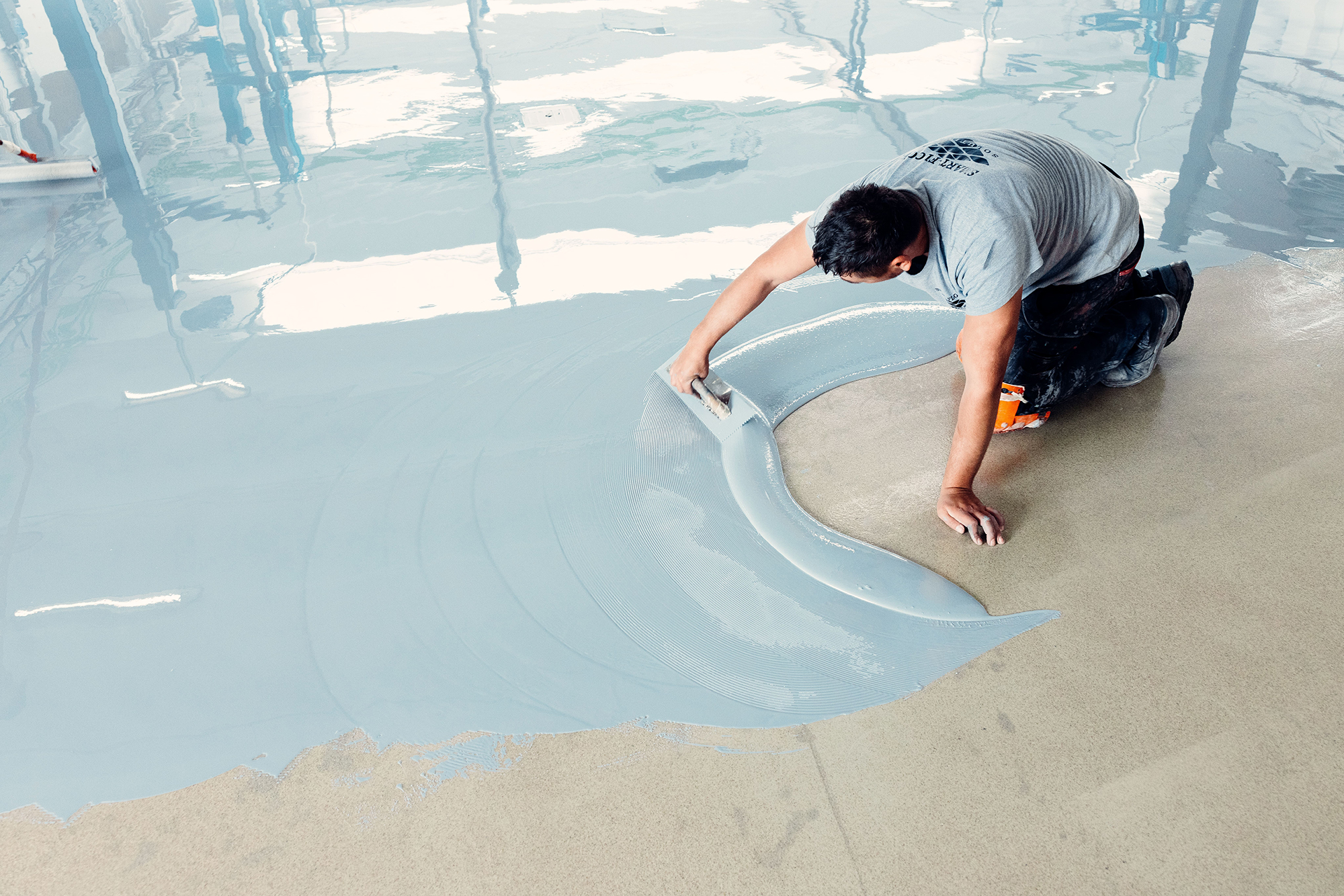 A floor requiring extensive grinding and crack repairs will generally require more preparation work than a clean, sound concrete slab. Likewise, a decorative multi-layer system may involve more materials and labor than a basic coating.
When comparing estimates, avoid looking only at the price per square foot. Two contractors may quote different prices because they are offering different preparation standards or coating systems.
A useful estimate should explain what is included. Check whether it covers concrete preparation, repairs, primer, base coat, decorative materials, topcoat, labor, and cleanup. This makes it easier to compare quotes fairly.
How to Prepare Your Space Before Installation
Preparing the area before the installer arrives can make the project more efficient. Remove vehicles, furniture, storage items, tools, and other belongings from the flooring area.
If the concrete has been exposed to oil, grease, paint, or chemicals, tell the contractor before work begins. Existing contamination may require additional preparation.
You should also discuss access and ventilation requirements. Depending on the coating products being used, the installer may provide specific instructions regarding airflow, temperature, humidity, and when the area can be occupied again.
Do not assume that the floor can be used immediately after installation. Epoxy requires curing time, and the recommended waiting period depends on the specific product and environmental conditions.
Maintenance After Installation
One reason homeowners and businesses choose epoxy is its relatively straightforward maintenance. Regular sweeping or dust removal helps prevent abrasive particles from accumulating on the surface.
For routine cleaning, use a suitable mild cleaner and follow the coating manufacturer’s recommendations. Avoid harsh chemicals or cleaning methods that could damage the particular finish.
Spills should be cleaned promptly, especially in environments where oils, chemicals, or other substances are regularly present. Although many epoxy systems offer good chemical resistance, resistance varies by product and exposure conditions.
Heavy equipment should also be moved carefully. Protective pads or appropriate load-distribution methods may help reduce unnecessary stress on the surface.
Red Flags to Watch for Before Hiring an Installer
When searching for epoxy flooring near me, be cautious if a contractor focuses almost entirely on offering the lowest price. A very low quote may indicate limited preparation, inexpensive materials, or fewer coating layers.
Other warning signs include vague estimates, no clear explanation of surface preparation, pressure to make an immediate decision, unclear warranty terms, and an inability to explain the recommended flooring system.
Be particularly careful when a contractor promises that every concrete floor can be coated without testing or preparation. Existing moisture problems, contamination, weak concrete, or incompatible coatings can create installation challenges that should be addressed beforehand.
A professional approach involves inspecting the floor and explaining realistic expectations rather than guaranteeing a perfect result without assessing the surface.
Questions to Ask Before Hiring a Local Contractor
Before selecting a company, prepare a short list of practical questions. Ask how the concrete will be prepared, which products will be used, how many coating layers are included, and how long the installation and curing process should take.
It is also useful to ask whether repairs are included in the quotation and what happens if unexpected concrete problems are discovered.
Request information about maintenance requirements and warranty coverage. A written estimate is preferable because it provides a clear record of the materials, preparation, labor, and services included in the project.
Most importantly, choose an installer who explains the project clearly and does not avoid technical questions. Good communication before installation can prevent misunderstandings later.
Conclusion
Choosing epoxy flooring is about more than finding a contractor close to your property. When searching for epoxy flooring near me, evaluate surface preparation, coating quality, installation experience, project requirements, warranty coverage, and the contractor’s ability to explain the process.
A properly selected and professionally installed epoxy system can provide a durable, attractive, and easy-to-maintain surface for residential and commercial spaces. Take time to compare local installers, understand what each quotation includes, and make sure the recommended coating is appropriate for your floor’s expected traffic and conditions.
The right preparation and product selection can make a significant difference in the floor’s appearance, adhesion, longevity, and overall performance.