
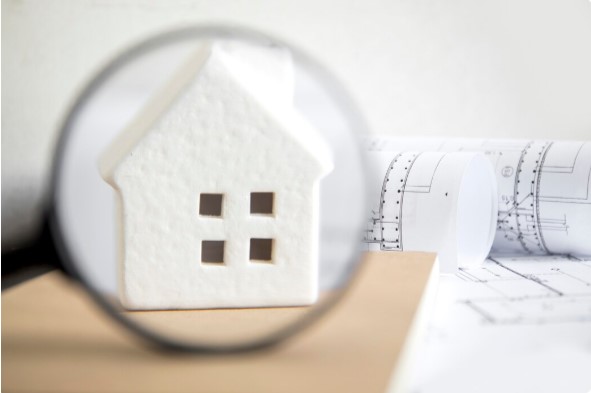
Planning to buy a house or flat? A house survey will give you a solid idea of how the house looks from the inside and how much you should actually pay. You’ll also learn about the house’s features and whether they’re compatible with your lifestyle.
In today’s article, we’ll talk about what a house survey is and how much it costs.
What Is a House Survey?
Your home is definitely one of the most expensive purchases you make in your life. A house survey delivers an in-depth account of the property’s condition you’re going to buy. You’ll also get a clear understanding of any problems (which would help you negotiate a better price).
Doing it on your own could be a bit complicated, as you may not be familiar with the nuances. This is why people hire third-party companies to conduct visual inspections on their behalf. They are also experts at analyzing different types of houses, including studios, flats, bungalows, and even duplexes.
Types of House Survey
Properties of different sizes, ages, and levels of complexity need different surveys. The Level 1 Survey (also known as the Condition Report) outlines the property’s general condition. It’s a low-price activity that also highlights potential risks and legal issues.
The Level 2 Survey (Home Buyer Report) is suitable for properties with a simple form and layout. It includes everything that a Level 1 Survey does, plus drainage chamber and roof space inspections.
The Level 3 Survey is the most comprehensive report, covering the property from every angle. The report also includes suggestions for defects and their repair costs.
How Customer House Builders Work With Home Surveyors
Custom house builders work with surveyors to ensure the home is built safely and in compliance with legal standards. Before any design even begins, they both map out the limitations they can experience. For example, a surveyor can map the exact elevations and natural features of the land. This data can then be used by the builder to make a home that perfectly fits the landscape.
Similarly, property lines (such as water or sewer lines) are also marked by surveyors. These play a crucial role in preventing the builders from encroaching on neighbors’ infrastructure.
Things to Look for Before Hiring a Surveyor
You first need to check whether they have certifications from reputable regulatory bodies (such as RPSA or RICS). They should also be deeply familiar with the complexities of your area and how soil works there. Good surveyors even include a sample report with practical recommendations and the cost of each repair.
It’s also important not to automatically go to someone your estate agent has recommended. Independent ones will give you honest suggestions and protect your interests without thinking about their own interest.
Bottom Lines
Buying a property is a big investment, and it’s important to choose someone who helps you sidestep unexpected expenses. But that doesn’t mean you should go straight to a cheaper option. Check their reliability and reputation to make a decision you won’t regret later.