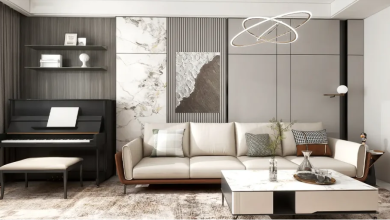
Home Renovation: Complete Guide to Planning, Budgeting, and Transforming Your Space


A well-planned home renovation can completely transform the way you live, making your property more functional, beautiful, and valuable. Whether you’re updating a single room or remodeling your entire house, careful planning ensures better results while avoiding costly mistakes. Renovating a home isn’t just about improving appearances—it also enhances comfort, energy efficiency, and long-term durability. Many homeowners choose renovations to accommodate growing families, modernize outdated interiors, or prepare their property for resale. Every renovation project should begin with clear goals, a realistic budget, and a practical timeline. Understanding the scope of work before starting helps reduce unexpected expenses and delays. From selecting quality materials to hiring experienced professionals, every decision contributes to the project’s success. With thoughtful preparation and smart choices, homeowners can achieve a stylish, functional living environment that meets both current and future needs while maximizing the return on investment.
Why Home Renovation Is a Smart Investment
Investing in home renovation offers benefits that extend far beyond aesthetics. Renovations increase property value, improve functionality, and create a healthier living environment. Modern upgrades such as energy-efficient windows, improved insulation, LED lighting, and smart home technology reduce monthly utility costs while increasing overall comfort. Renovating kitchens and bathrooms often provides one of the highest returns on investment because these spaces significantly influence property value. Structural improvements, roofing replacements, and updated electrical systems also improve safety and reduce maintenance expenses over time.
Additionally, renovating allows homeowners to personalize their living space according to changing lifestyles and family requirements. Instead of moving to a new property, many people find that upgrading their current home is more affordable and convenient. A carefully planned renovation creates a balance between style, efficiency, and practicality while ensuring the home remains comfortable for years to come.
Planning Your Home Renovation Project
Proper planning is the foundation of every successful renovation. Before beginning any work, determine your objectives and prioritize improvements based on necessity and available budget. Create a detailed checklist covering every room and identify which upgrades are essential versus optional. Establishing a realistic budget should include labor, materials, permits, design fees, and an emergency fund for unexpected expenses. Research current design trends while ensuring your choices remain timeless and practical. Hiring qualified contractors, architects, or interior designers can simplify complex projects and help avoid expensive mistakes. Obtain multiple estimates before selecting professionals and always review previous work. A detailed renovation schedule helps coordinate various stages of construction and minimizes disruptions to daily life. Proper communication between homeowners and contractors ensures everyone understands expectations, deadlines, and project goals from beginning to completion.
Essential Planning Checklist
- Set renovation goals.
- Define a realistic budget.
- Prioritize important upgrades.
- Hire experienced professionals.
- Choose durable materials.
- Prepare for unexpected costs.
- Create a project timeline.
- Monitor progress regularly.
Popular Areas to Renovate
Some areas of a home deliver greater improvements in functionality and resale value than others. Kitchens remain one of the most popular renovation projects because they serve as the center of daily family activities. Upgrading cabinets, countertops, appliances, and lighting creates a modern, efficient cooking space. Bathrooms also benefit from new fixtures, improved storage, water-saving features, and better ventilation. Living rooms become more inviting with updated flooring, lighting, and built-in storage solutions. Bedrooms can be transformed through improved layouts, wardrobes, and energy-efficient windows. Outdoor spaces such as patios, decks, and gardens expand living areas while increasing curb appeal. Basements and attics often provide opportunities to create additional bedrooms, offices, or entertainment spaces. Choosing renovation priorities based on lifestyle needs ensures every investment delivers lasting value and everyday convenience.
Home Renovation Budget Breakdown
Planning finances carefully helps prevent overspending during any remodeling project. The table below outlines common renovation expenses.
| Renovation Area | Typical Budget Share | Benefits |
|---|---|---|
| Kitchen | 25–35% | Higher property value |
| Bathroom | 15–20% | Better comfort and efficiency |
| Flooring | 10–15% | Improved appearance |
| Painting | 5–10% | Fresh modern look |
| Electrical & Plumbing | 10–15% | Increased safety |
| Roofing & Exterior | 15–20% | Better protection |
| Contingency Fund | 10–15% | Covers unexpected expenses |
Following a structured budget allows homeowners to complete renovations without compromising quality or financial stability.
Choosing the Right Materials
Selecting quality materials significantly impacts both the appearance and lifespan of a renovation. Durable flooring options such as hardwood, luxury vinyl, or porcelain tiles provide long-lasting performance while complementing different interior styles. Quartz and granite countertops offer strength and low maintenance for kitchens and bathrooms. Moisture-resistant paints improve durability in humid areas, while energy-efficient windows reduce heating and cooling expenses. Sustainable building materials are becoming increasingly popular because they minimize environmental impact and often require less maintenance. When selecting finishes, homeowners should balance style, durability, maintenance requirements, and budget. Investing in higher-quality materials may involve greater upfront costs but frequently reduces future repair and replacement expenses. Matching materials with the home’s architectural style also creates a cohesive and visually appealing design that remains attractive for many years.
How to Choose the Best Materials
- Focus on durability.
- Compare maintenance requirements.
- Select energy-efficient products.
- Match existing architectural style.
- Consider long-term value over initial cost.
Common Home Renovation Mistakes to Avoid
Even carefully planned projects can encounter challenges if homeowners overlook important details. One of the biggest mistakes is underestimating the total project cost, leading to unfinished work or financial stress. Failing to obtain required permits can result in delays, fines, or complications when selling the property. Hiring contractors solely based on low prices often compromises workmanship and quality. Another common mistake is following short-term design trends that quickly become outdated. Ignoring proper lighting, ventilation, and storage planning can reduce everyday functionality despite attractive finishes. Poor communication between contractors and homeowners may also create misunderstandings regarding project expectations. Rushing decisions without researching materials, layouts, or construction methods increases the likelihood of expensive corrections later. Careful planning, regular inspections, and maintaining flexibility help minimize these common renovation challenges.
Latest Home Renovation Trends
Modern homeowners increasingly seek renovations that combine style, sustainability, and technology. Open-concept layouts continue to create brighter, more spacious living areas by connecting kitchens, dining rooms, and living spaces. Smart home technology, including automated lighting, climate control, and security systems, improves convenience and energy efficiency. Natural materials such as wood, stone, and recycled products add warmth while supporting environmentally responsible construction. Large windows maximize natural light, creating healthier indoor environments and reducing electricity usage. Neutral color palettes paired with bold accent features remain highly popular for creating timeless interiors. Multi-functional spaces designed for remote work, fitness, and entertainment reflect changing lifestyle needs. Outdoor living areas featuring comfortable seating, landscaping, and weather-resistant materials continue to gain popularity as homeowners extend usable living space beyond interior walls.
Benefits of Hiring Professional Renovation Experts
Although some homeowners enjoy completing smaller projects themselves, professional contractors offer valuable expertise for larger renovations. Experienced professionals understand building codes, structural requirements, electrical systems, and plumbing regulations, reducing the risk of costly errors. Their project management skills help coordinate multiple trades efficiently while maintaining quality standards and schedules.

Professionals often have access to better materials, specialized tools, and supplier discounts that improve project outcomes. They also provide warranties for workmanship, giving homeowners greater confidence in completed renovations. Interior designers assist with color selection, layouts, furniture placement, and finishing details that create visually balanced spaces. Working with qualified experts often saves time, minimizes stress, and delivers higher-quality results than attempting complex renovations independently.
Maintaining Your Renovated Home
After completing your home renovation, proper maintenance preserves both appearance and value. Regular cleaning prevents dirt accumulation on flooring, countertops, and fixtures. Inspect plumbing, roofing, and electrical systems periodically to identify minor issues before they become expensive repairs. Repainting walls when necessary maintains a fresh appearance, while sealing stone surfaces protects against moisture and stains. HVAC servicing improves indoor air quality and extends equipment lifespan. Outdoor maintenance, including landscaping, gutter cleaning, and exterior painting, protects the property’s structure from weather damage. Developing a seasonal maintenance schedule ensures renovated areas remain attractive, functional, and efficient for many years. Preventive care reduces future expenses while protecting the investment made during the renovation process.
Conclusion
A successful home renovation combines careful planning, realistic budgeting, quality materials, and skilled workmanship to create a comfortable, efficient, and visually appealing living space. Every renovation project should begin with clearly defined goals and a comprehensive plan that balances design preferences with practical needs. Whether updating a kitchen, remodeling a bathroom, improving energy efficiency, or transforming an entire house, thoughtful decisions throughout the process contribute to lasting value. Avoiding common mistakes, selecting durable materials, and working with experienced professionals significantly improve project outcomes. Regular maintenance after completion ensures renovated spaces remain beautiful and functional for years to come. With the right approach, home renovation becomes more than just a construction project—it becomes a long-term investment in your property’s value, your family’s comfort, and your overall quality of life.