
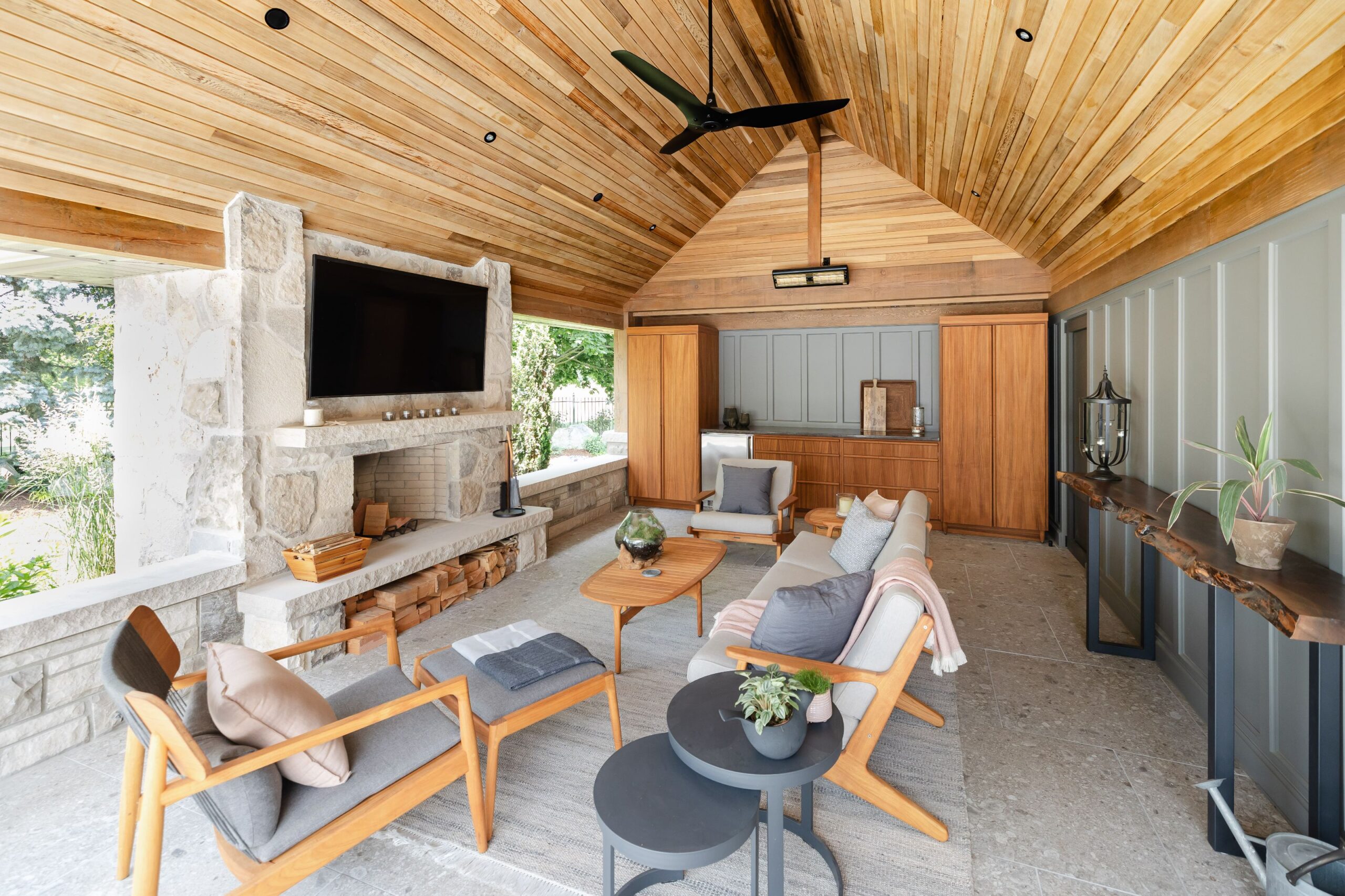
Homes located in coastal areas have special issues that need to be addressed. The wind, salt air, and moisture levels will wear outdoor living areas faster than in other areas. Smart coastal outdoor remodeling decisions will protect your home, keep it looking good, and help you avoid costly repairs later. Every decision, big or small, is important to withstand harsh weather conditions.
Why Coastal Exposure Changes Remodeling Priorities
Living in a coastal area is lovely, and who wouldn’t want to be surrounded by water? However, exposure to salt air, wind, and increased moisture levels will damage your home. Salt air exposure accelerates rust and rot. High wind exposure will cause boards and fences to loosen and may even damage roofs. Increased moisture levels will create mold and decay. Coastal outdoor remodeling decisions will need to be made with protection in mind.
How Salt, Wind, and Moisture Affect Outdoor Structures
The salt in the air will settle on all surfaces and affect the rate of corrosion. Nails and screws will rust faster. Metal railings and outdoor furniture will pit and become weaker. Water will seep into wood, causing swelling or rotting. Wind forces will push against fences, railings, and roofs, sometimes pulling them off the structure and creating cracks.
These factors can become costly issues if they are not addressed from the beginning. Therefore, it is important to consider them before your project starts.
Material Durability: Lasting Choices for the Coast
One of the most significant elements in remodeling an outdoor space near the ocean is the durability of materials. Some materials can withstand the bad weather. The following are some good choices for remodeling an outdoor space near the ocean:
- Stainless steel or metal hardware and railings that are coated with powder
- Composite decking that is resistant to swelling and fading
- Natural stone and concrete for outdoor living spaces
- Pressure-treated woods for fences and pergolas
All of these materials will hold up better in salt air and moisture.
Corrosion Prevention and Moisture Resistance
It is important to protect the outdoor features from rust and water damage. The prevention of corrosion often begins with the smallest details, such as rust-proof fasteners, hinges, and brackets. Moisture resistance can be achieved by using water-resistant paints.
Ways to prevent rust and water damage:
- Installing galvanized or stainless-steel screws/bolts
- Using water-repellent sealants on wood
- Repainting coatings
Planning for Wind Load and Structural Longevity
Wind load means the force that wind has on your structures. This force is considerable in coastal areas, especially during bad weather. Fences, pergolas, and patio covers need to be anchored firmly and can withstand these forces. The aim is longevity – making sure that what you build lasts for many years and remains safe and strong. Tips for wind and structures:
- Anchors for posts that go deep into the ground
- More bracing for fences and railings
- Heavy furniture that will not be blown away
Drainage Design – Keeping Water Away
Drainage is an important consideration in making decisions for outdoor remodeling in coastal areas. Water that is not drained properly will damage structures, furniture, and even your house’s foundation. Proper drainage will make your outdoor space safe and resistant to damage from heavy rains and bad weather. Ways to improve drainage:
- Sloping your patio and walkways away from your house
- French drains and gravel areas that will carry water away
- Permeable pavers that will soak up rainwater
Weather-Resistant Materials in Practice
The weather-resistant materials can withstand the sun, wind, and rain. These materials do not crack, fade, or deteriorate like regular materials. Using these materials in your backyard remodeling plans will make the materials last longer and look better.
Some weather-resistant materials include:
- UV-resistant materials for your decking and siding
- Outdoor fabrics that do not fade or develop mildew
- Concrete mixes that are designed for the coastal climate
Quality Oversight and Professional Planning
Some of the top protection strategies are discussed at the beginning with your custom backyard renovation team. The experts will assist the homeowner in choosing materials and building methods that stand up to the harshest weather that the coast has to offer.
Planning for Longevity, Not Just Appearance
It’s easy to get caught up in aesthetics, but it’s crucial that you always keep performance in mind for your coastal outdoor remodeling choices. Your deck or patio may look great in its brand-new state, but it will disintegrate in no time if it’s not designed for coastal weather. Think about how it will hold up over time, how easy it will be to clean, and how easy it will be to keep it safe. Questions to Consider:
- Will this material withstand salt and moisture?
- Will it be easy to clean every part of this material?
- Will it be prone to coming loose in windy weather? Conclusion: Design for Protection and Peace of Mind
Conclusion:
Living near a coastal area has benefits and challenges. The right coastal outdoor remodeling choices will help protect your home from windy weather, salt air, and moisture. With the right choices, you can enjoy your outdoor living spaces for years to come.