

Creating a beautiful garden at home is one of the most rewarding hobbies anyone can enjoy. Whether you have a spacious backyard, a small balcony, or a compact terrace, choosing the right plants for home garden can transform your living space into a peaceful and refreshing environment. Home gardens not only enhance the beauty of your property but also improve air quality, reduce stress, and provide fresh herbs, vegetables, and flowers throughout the year. Gardening is suitable for people of all ages because it combines creativity, physical activity, and relaxation. With proper planning and regular care, even beginners can develop a thriving garden filled with colorful flowers, lush greenery, and useful edible plants. Understanding your climate, soil type, sunlight availability, and watering schedule is the first step toward building a successful garden that remains healthy and vibrant in every season.
Why Growing Plants at Home Is Beneficial
Growing your own garden offers numerous advantages beyond decoration. Carefully selected plants for home garden contribute to cleaner air by absorbing carbon dioxide and releasing oxygen. Many indoor and outdoor plants also remove harmful pollutants from the atmosphere, making your home healthier. Gardening encourages physical movement, reduces anxiety, and creates opportunities to spend quality time with family members. Fresh herbs and vegetables grown at home are free from excessive chemicals and often taste better than store-bought produce. Additionally, flowering plants attract butterflies, bees, and beneficial insects that help maintain ecological balance.

A well-maintained garden also increases the value and appearance of your property. Whether you enjoy fragrant flowers, medicinal herbs, ornamental shrubs, or fruit-bearing plants, every garden provides long-term environmental, emotional, and financial benefits that make the effort worthwhile.
How to Choose the Best Plants for Your Garden
Selecting the right plants for home garden depends on several important factors. Before purchasing plants, evaluate the amount of sunlight your garden receives during the day. Some plants require full sun, while others thrive in partial shade or complete shade. Soil quality also plays a major role in plant growth. Rich, well-drained soil supports healthy roots and encourages vigorous development. Climate should always be considered because certain plants perform better in tropical, temperate, or dry conditions. Water availability and maintenance requirements are equally important, especially for busy homeowners. Beginners should choose hardy, low-maintenance plants that tolerate occasional mistakes. Native plants are often the best option because they naturally adapt to local weather conditions and require less water and fertilizer. Careful planning ensures a healthier garden with fewer problems throughout the year.
Best Flowering Plants for Home Garden
Flowering plants bring vibrant colors and pleasant fragrances to any outdoor space. Popular choices include roses, marigolds, hibiscus, jasmine, petunias, lilies, zinnias, and sunflowers. Roses remain one of the most admired flowers because of their elegance and wide range of colors. Marigolds are easy to grow and naturally help repel certain garden pests. Hibiscus produces large tropical blooms that attract butterflies and hummingbirds. Jasmine adds a delightful fragrance, especially during the evening hours. Petunias bloom continuously throughout the growing season with minimal care. Sunflowers create a cheerful appearance while attracting pollinators. Mixing annual and perennial flowering plants ensures continuous blooms throughout the year. Regular pruning, proper watering, and balanced fertilization help flowering plants maintain healthy growth and abundant blossoms in every season.
Best Vegetable Plants for Home Garden
Growing vegetables at home is both practical and satisfying. The best plants for home garden often include vegetables that provide fresh ingredients for daily cooking. Tomatoes are among the easiest vegetables to grow and produce generous harvests with proper care. Chili peppers, spinach, lettuce, carrots, radishes, cucumbers, beans, eggplants, and okra are also excellent choices for beginners. Herbs like basil, coriander, mint, parsley, and rosemary require little space while adding fresh flavor to meals. Raised garden beds and containers allow vegetables to thrive even in small spaces. Organic compost enriches the soil naturally and supports healthier plant development. Regular harvesting encourages continuous production, ensuring fresh vegetables throughout the growing season. Homegrown produce is nutritious, flavorful, and often more economical than purchasing vegetables regularly.
Low-Maintenance Plants for Busy Homeowners
Not everyone has enough time to care for demanding plants, making low-maintenance varieties an excellent option. Snake plants, aloe vera, ZZ plants, spider plants, pothos, succulents, lavender, and bougainvillea require minimal attention while remaining attractive throughout the year. These plants for home garden tolerate occasional missed watering and adapt well to varying weather conditions. Aloe vera provides medicinal benefits while requiring very little maintenance. Snake plants improve indoor air quality and thrive even in low-light conditions. Succulents store water in their leaves, making them drought-resistant and ideal for beginners. Lavender produces fragrant flowers that attract pollinators while naturally repelling mosquitoes. Choosing hardy plants allows homeowners to maintain a beautiful garden without spending excessive time on daily maintenance.
Essential Gardening Tips for Healthy Plant Growth
Healthy gardens require consistent care rather than complicated techniques. Following basic gardening practices ensures long-lasting plant health.
- Water plants early in the morning to reduce evaporation.
- Use organic compost to improve soil fertility.
- Remove weeds regularly to reduce competition for nutrients.
- Prune damaged branches and dead flowers.
- Provide adequate sunlight according to plant requirements.
- Mulch around plants to retain soil moisture.
- Rotate vegetable crops each season to reduce soil diseases.
- Monitor plants regularly for insects and fungal infections.
Applying these simple techniques keeps gardens healthy while minimizing maintenance efforts and preventing common plant problems before they become serious.
Common Garden Plants and Their Uses
| Plant | Main Benefit | Sunlight Requirement | Maintenance Level |
|---|---|---|---|
| Rose | Beautiful flowers | Full sun | Medium |
| Hibiscus | Colorful blooms | Full sun | Medium |
| Aloe Vera | Medicinal uses | Partial to full sun | Low |
| Basil | Cooking herb | Full sun | Low |
| Tomato | Fresh vegetables | Full sun | Medium |
| Mint | Herbal flavor | Partial sun | Low |
| Marigold | Pest control | Full sun | Low |
| Snake Plant | Air purification | Low to medium light | Very Low |
This combination of ornamental, edible, and medicinal plants creates a balanced garden that offers beauty, functionality, and environmental benefits.
Common Mistakes to Avoid While Gardening
Many beginners unknowingly make mistakes that affect plant health. Overwatering is one of the most common problems because constantly wet soil causes root rot and fungal diseases. Using poor-quality soil also limits plant growth by reducing nutrient availability. Placing shade-loving plants under intense sunlight can scorch leaves, while sun-loving plants struggle in dark areas. Ignoring proper spacing prevents air circulation and increases the risk of disease. Excessive fertilizer application may damage roots instead of promoting growth. Failing to remove weeds allows unwanted plants to compete for nutrients and water. Gardeners should also inspect plants regularly for early signs of pests and diseases. By avoiding these common errors, anyone can maintain healthier plants for home garden with greater success and fewer maintenance challenges.
Seasonal Care for Plants Throughout the Year
Seasonal maintenance plays a significant role in keeping gardens productive. During spring, prepare the soil with compost and plant new flowers and vegetables. Summer requires regular watering, mulching, and pest monitoring due to increased temperatures. Autumn is an excellent time for pruning, collecting seeds, and planting cool-season vegetables. Winter maintenance includes protecting sensitive plants from frost, reducing watering frequency, and cleaning garden beds. Seasonal fertilization supports healthy growth while maintaining soil nutrients.
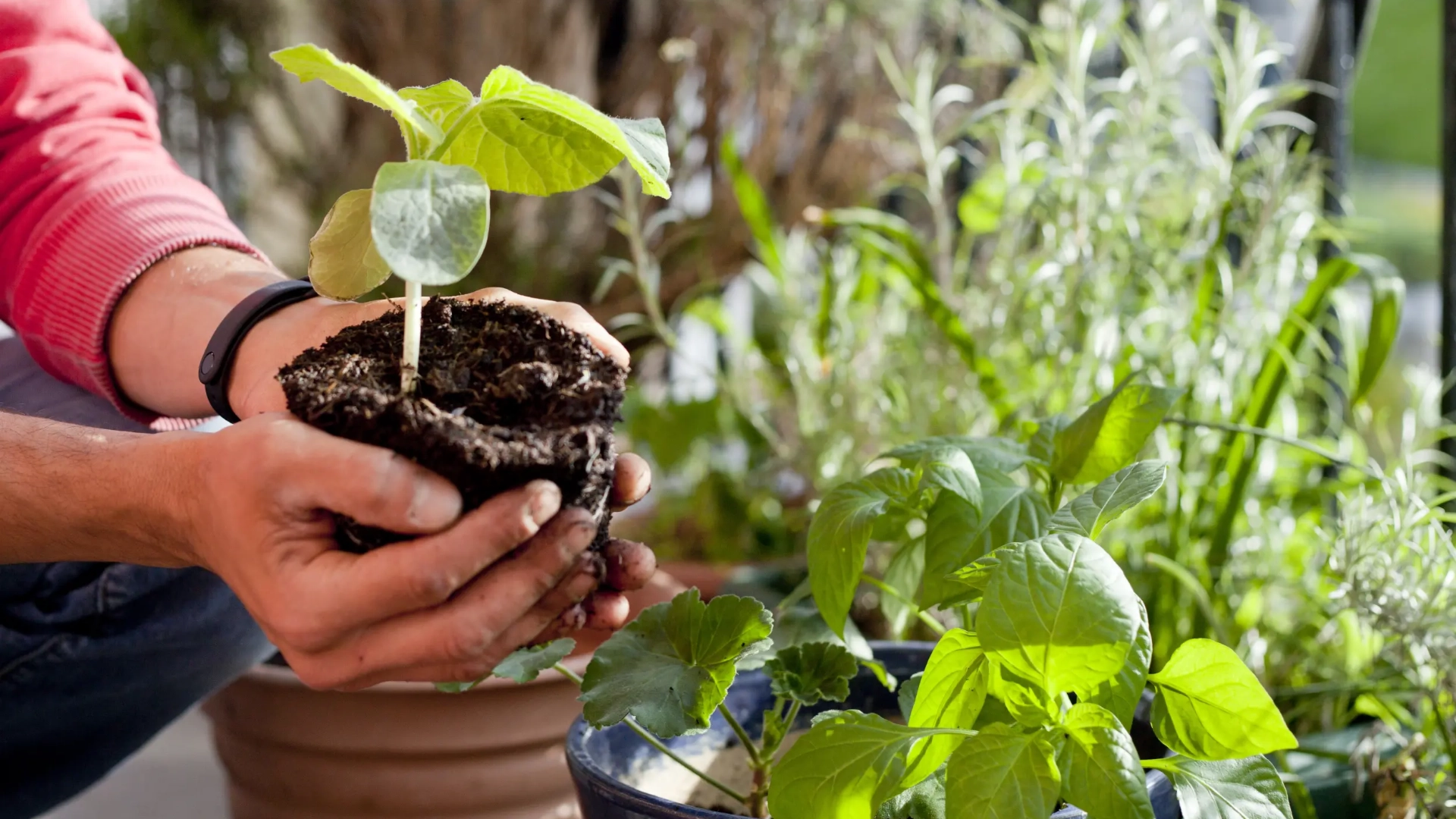
Understanding the changing needs of plants for home garden throughout the year ensures stronger roots, healthier foliage, and better flowering and fruit production. Regular seasonal care also extends plant lifespan and improves the overall appearance of your garden regardless of weather conditions.
How to Design an Attractive Home Garden
A thoughtfully designed garden combines beauty with functionality. Arrange taller plants toward the back of garden beds while placing smaller flowering plants near the front for better visibility. Mix evergreen shrubs with seasonal flowers to maintain year-round color. Decorative pathways, natural stones, and attractive pots enhance visual appeal without overwhelming the landscape. Vertical gardens are ideal for compact spaces and balconies where floor area is limited. Combining flowering plants, vegetables, herbs, and ornamental grasses creates texture and diversity. Consider color combinations that complement your home’s exterior while leaving enough space for future plant growth. Proper planning prevents overcrowding and makes routine maintenance much easier. A balanced design transforms ordinary outdoor areas into relaxing spaces perfect for family gatherings and peaceful evenings.
Conclusion
Choosing the right plants for home garden is one of the best investments you can make for your home, health, and overall well-being. Whether you prefer colorful flowers, nutritious vegetables, fragrant herbs, or decorative greenery, a carefully planned garden provides beauty and practical benefits throughout the year. Success begins with selecting plants suited to your climate, providing proper soil, adequate sunlight, and consistent care. Even beginners can build a flourishing garden by following simple gardening practices and avoiding common mistakes. Regular watering, seasonal maintenance, and thoughtful garden design will help your plants remain healthy and productive for years to come. As your gardening experience grows, you can expand your collection and enjoy the satisfaction of nurturing a vibrant green space. With patience and dedication, your plants for home garden will reward you with cleaner air, fresh produce, colorful blooms, and a peaceful environment that enhances everyday living.