
Choosing the right roofing material is one of the most important decisions for any residential, commercial, or industrial project. Among the many options available today, polycarbonate sheet roofing has become one of the most popular choices because of its strength, lightweight design, and excellent transparency. Whether you are building a greenhouse, patio, warehouse, skylight, or carport, this roofing material offers a practical combination of durability and style. Unlike traditional roofing materials, polycarbonate sheets provide outstanding impact resistance while allowing natural sunlight to enter the structure. They are also designed to withstand harsh weather conditions, making them suitable for different climates. Homeowners appreciate their modern appearance, while businesses value their low maintenance requirements and long lifespan. As construction technology continues to evolve, polycarbonate roofing systems are becoming increasingly common due to their affordability and performance. Understanding their features, benefits, and installation process will help you make an informed decision before investing in your next roofing project.
What Is Polycarbonate Sheet Roofing?
Polycarbonate sheet roofing refers to roofing panels manufactured from high-performance thermoplastic material known for exceptional strength and flexibility. These sheets are significantly stronger than glass while being much lighter, making them easier to transport and install. Polycarbonate roofing is available in several styles, including solid sheets, corrugated sheets, and multiwall sheets, each designed for different applications and performance requirements.

The material is naturally resistant to impact, making it suitable for areas prone to hailstorms, heavy rainfall, or accidental impacts. Modern polycarbonate sheets also include UV protective coatings that prevent yellowing and improve longevity. Because of their transparency, these roofing sheets maximize daylight, reducing the need for artificial lighting during daytime hours. This energy-saving feature has made them increasingly popular in commercial buildings, greenhouses, shopping complexes, factories, and outdoor living spaces. Their versatility allows architects and builders to create stylish roofing designs without compromising structural performance.
Why Choose Polycarbonate Sheet Roofing?
One of the biggest reasons homeowners and builders prefer polycarbonate sheet roofing is its outstanding balance between durability, appearance, and functionality. Unlike traditional roofing materials that may crack or corrode over time, polycarbonate sheets maintain their structural integrity for many years with minimal maintenance.
Some of the biggest advantages include:
- Excellent impact resistance
- Lightweight construction
- High light transmission
- UV protection
- Weather resistance
- Long service life
- Easy installation
- Low maintenance requirements
Because the material is lightweight, it reduces structural load on buildings, making installation quicker and more economical. Its ability to transmit natural light creates brighter indoor environments while helping reduce electricity costs. Additionally, polycarbonate sheets perform well in extreme temperatures, making them suitable for both hot and cold climates.
Different Types of Polycarbonate Roofing Sheets
Several varieties of polycarbonate roofing sheets are available, each serving different construction needs. Choosing the right type depends on your project’s purpose, budget, and insulation requirements.
Solid Polycarbonate Sheets
Solid sheets resemble glass in appearance but are significantly stronger. They offer excellent transparency and are commonly used in skylights, canopies, and architectural structures where clear visibility is important.
Corrugated Polycarbonate Sheets
Corrugated sheets feature wave-like patterns that increase structural strength while improving water drainage. These sheets are widely used for patios, garages, sheds, warehouses, and agricultural buildings because they are durable and cost-effective.
Multiwall Polycarbonate Sheets
Multiwall sheets consist of multiple layers separated by air chambers. This design provides superior thermal insulation while maintaining excellent light transmission. They are commonly installed in greenhouses, conservatories, and energy-efficient buildings.
Applications of Polycarbonate Roofing
The versatility of polycarbonate roofing makes it suitable for a wide variety of construction projects. Architects, homeowners, and commercial builders use these sheets across numerous industries because they combine functionality with modern aesthetics.
Some common applications include:
- Residential patios
- Car parking shelters
- Balcony covers
- Swimming pool enclosures
- Skylights
- Greenhouses
- Industrial warehouses
- Shopping malls
- Sports stadiums
- Bus shelters
- Factory roofing
- Outdoor walkways
These roofing systems provide protection against rain, sunlight, and harsh weather while allowing natural illumination to enter enclosed spaces. This unique combination makes them ideal for buildings that require bright interiors without sacrificing weather protection.
Comparison of Different Polycarbonate Roofing Types
| Type | Light Transmission | Insulation | Best Applications | Durability |
|---|---|---|---|---|
| Solid Sheet | Excellent | Moderate | Skylights, Canopies | Very High |
| Corrugated Sheet | High | Moderate | Garages, Patios, Warehouses | High |
| Multiwall Sheet | High | Excellent | Greenhouses, Conservatories | Very High |
Installation Process for Polycarbonate Roofing Sheets
Installing polycarbonate roofing requires careful planning to ensure long-term performance. Although the sheets are lightweight and relatively easy to handle, proper installation techniques prevent leaks, thermal expansion issues, and structural damage.
The installation process generally includes measuring the roof area, preparing the supporting framework, positioning the sheets with the correct overlap, and securing them using specialized fasteners. Expansion gaps should always be left because polycarbonate expands and contracts with temperature changes. Appropriate sealing tapes and waterproof accessories further enhance performance and extend the roofing system’s lifespan.
Professional installation is often recommended for large commercial projects, while experienced DIY enthusiasts can successfully install smaller residential structures by carefully following manufacturer guidelines. Proper alignment, correct screw placement, and adequate support spacing significantly improve the roof’s durability.
Maintenance Tips for Long-Lasting Performance
One of the biggest advantages of polycarbonate sheet roofing is its minimal maintenance requirements. Regular cleaning and occasional inspections are usually sufficient to keep the roofing system performing efficiently for many years.
Maintenance recommendations include:
- Clean the sheets using mild soap and water.
- Avoid abrasive cleaning materials.
- Inspect fasteners regularly.
- Remove accumulated leaves and debris.
- Check seals around joints.
- Repair damaged panels promptly.
- Wash roofing periodically to maintain clarity.
Proper maintenance not only improves appearance but also prevents long-term structural problems caused by blocked drainage systems or damaged fittings. With simple routine care, polycarbonate roofing can maintain excellent transparency and durability for decades.
Factors to Consider Before Buying Polycarbonate Roofing
Before purchasing roofing materials, it is important to evaluate several factors that influence overall performance and value. Not every sheet is suitable for every application, so selecting the correct product is essential.
Consider the following before making a purchase:
Sheet Thickness
Thicker sheets generally provide greater strength, improved insulation, and longer service life.
UV Protection
Always choose sheets with UV-resistant coatings to minimize discoloration and maintain performance under prolonged sun exposure.
Light Transmission
Determine whether your project requires maximum transparency or diffused lighting to improve comfort inside the building.
Weather Conditions
Select products designed for your local climate, especially if your area experiences heavy snow, hail, or strong winds.
Budget
Compare initial material costs with expected lifespan and maintenance expenses to determine the best long-term value.
Carefully evaluating these factors ensures your roofing investment provides reliable performance while meeting both functional and aesthetic requirements.
Advantages and Limitations
Like every building material, polycarbonate roofing has strengths and limitations that should be understood before installation.
Advantages
- Lightweight and easy to transport
- High impact resistance
- Excellent weather durability
- Good UV protection
- Attractive appearance
- Energy-efficient daylight transmission
- Long lifespan
- Low maintenance costs
Limitations
- Can expand under extreme temperatures
- May scratch more easily than glass
- Requires proper installation techniques
- Lower sound insulation compared to some traditional roofing materials
Understanding both the benefits and limitations allows property owners to determine whether this roofing solution aligns with their project requirements.
How Polycarbonate Roofing Supports Sustainable Construction
Modern construction increasingly focuses on sustainability, and polycarbonate sheet roofing contributes positively to environmentally conscious building practices. Because these sheets allow abundant natural daylight into interior spaces, buildings often require less artificial lighting during the day. This reduction in electricity consumption can lower energy costs over time while supporting greener building operations.
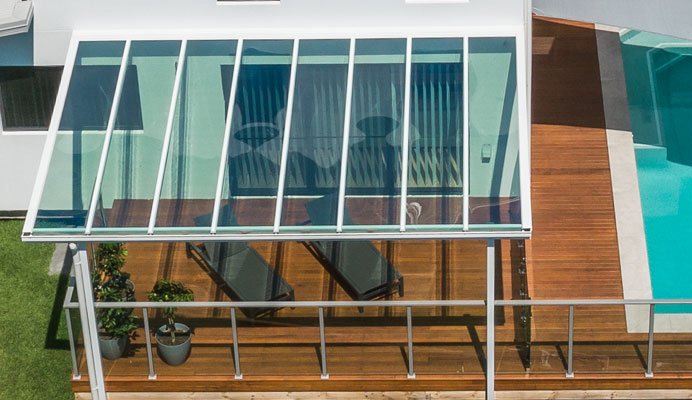
Many polycarbonate products are recyclable, further reducing environmental impact. Their long lifespan minimizes replacement frequency, decreasing construction waste. Additionally, lightweight materials require less energy during transportation and installation compared to heavier roofing alternatives.
When combined with proper insulation, ventilation systems, and energy-efficient building designs, polycarbonate roofing can become an important component of sustainable architecture. Whether used in residential homes or large commercial developments, these roofing systems support environmentally responsible construction without sacrificing performance or aesthetics.
Conclusion
Choosing the right roofing material plays a major role in the durability, efficiency, and appearance of any building. Polycarbonate sheet roofing has become one of the most trusted modern roofing solutions because it combines exceptional strength, lightweight construction, weather resistance, and natural light transmission. Its versatility allows it to be used in homes, commercial buildings, agricultural structures, and industrial facilities alike. With various sheet types available, property owners can select options that best match their insulation, lighting, and design requirements. Proper installation and routine maintenance ensure long-lasting performance while keeping maintenance costs low. Whether you are constructing a greenhouse, patio cover, warehouse, skylight, or outdoor shelter, polycarbonate roofing offers a dependable, attractive, and cost-effective solution that delivers excellent value for years to come.