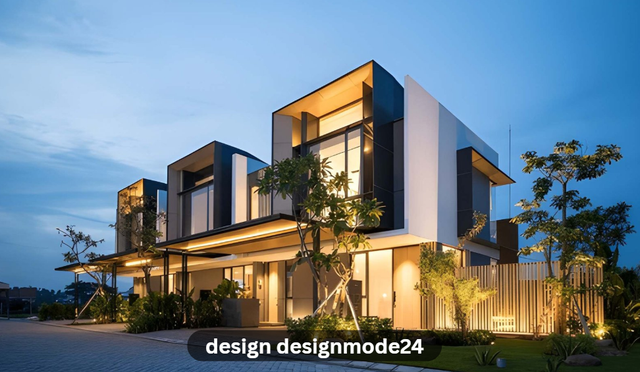

A well-planned roof design is one of the most important parts of any home or commercial building. Beyond protecting a structure from harsh weather, a roof significantly contributes to architectural beauty, energy efficiency, and long-term durability. Choosing the right roof involves considering climate, budget, maintenance, aesthetics, and construction materials. Today, homeowners have access to numerous design options ranging from traditional pitched roofs to sleek contemporary flat roofs. Selecting quality roofing materials and ensuring proper installation can extend the life of a building while reducing maintenance costs. Whether you’re building a new house or renovating an existing property, understanding different roof styles and their advantages helps you make informed decisions. This comprehensive guide explores popular roof designs, material choices, maintenance tips, and factors to consider before making your final selection.
Why Roof Design Matters
The roof is much more than the top covering of a building. It acts as the primary barrier against rain, sunlight, wind, snow, and other environmental conditions. A thoughtfully designed roof improves indoor comfort by regulating temperature and supporting proper ventilation. Good design also increases property value by enhancing curb appeal and improving structural performance.

Modern architecture combines style with practicality, allowing homeowners to choose designs that complement their home’s appearance while maximizing durability. Investing in premium roofing solutions can also reduce repair expenses over the years. Additionally, a properly designed roof supports efficient drainage, prevents water damage, and minimizes structural issues caused by moisture accumulation. Because every region experiences different weather conditions, selecting the appropriate roof design ensures better long-term performance and peace of mind.
Popular Roof Design Styles
Different architectural styles require different roof shapes. Each design offers unique advantages depending on climate, aesthetics, and functionality.
Gable Roof
The gable roof features two sloping sides that meet at a central ridge. It is one of the most popular residential roof designs due to its affordability and excellent drainage capabilities.
Benefits include:
- Easy construction
- Effective rainwater runoff
- Good attic ventilation
- Cost-effective maintenance
Hip Roof
Hip roofs have four sloping sides that provide excellent stability against strong winds. They are commonly used in areas prone to storms and heavy rainfall.
Advantages include:
- Strong structural support
- Better wind resistance
- Elegant appearance
- Improved durability
Flat Roof
Flat roofs are widely used in modern architecture and commercial buildings. Although they appear flat, they typically have a slight slope for water drainage.
Common benefits include:
- Contemporary appearance
- Space for rooftop gardens
- Solar panel installation
- Lower construction cost
Mansard Roof
A mansard roof includes four sides with two slopes on each side, creating additional interior space for upper floors or attic rooms.
Butterfly Roof
This modern design slopes inward toward the center, creating a unique visual appeal while collecting rainwater efficiently.
Choosing the Right Roofing Material
Selecting the right material is just as important as choosing the design. Every material has its own lifespan, maintenance requirements, and appearance. High-quality roofing materials improve energy efficiency and reduce long-term repair costs.
| Roofing Material | Average Lifespan | Advantages | Best For |
|---|---|---|---|
| Asphalt Shingles | 20–30 Years | Affordable and easy to install | Residential homes |
| Metal Roofing | 40–70 Years | Durable and energy efficient | Modern homes |
| Clay Tiles | 50–100 Years | Elegant appearance and fire resistance | Warm climates |
| Concrete Tiles | 40–60 Years | Strong and weather resistant | Large homes |
| Slate | 75–100+ Years | Premium look and exceptional durability | Luxury homes |
| Wood Shingles | 25–35 Years | Natural beauty | Rustic architecture |
Each material should be selected based on climate conditions, maintenance expectations, and available budget.
Factors to Consider Before Selecting a Roof Design
Before deciding on a roof design, homeowners should evaluate several important factors. Climate plays a major role because regions with heavy rainfall benefit from steep slopes, while dry climates may support flat roof systems.
Budget is another key consideration. Initial construction costs vary widely depending on materials and design complexity. Although premium roofing systems may cost more initially, they often provide lower maintenance expenses and longer service life.

Architectural compatibility is equally important. The roof should match the home’s overall style rather than appearing disconnected from the building’s design. Energy efficiency, ventilation, insulation, and future maintenance requirements should also influence the decision-making process.
Finally, local building regulations and construction standards must always be considered before beginning any roofing project.
Modern Roof Design Trends
Modern homeowners increasingly seek roofs that combine functionality with sustainability. Contemporary designs emphasize clean lines, environmentally friendly materials, and energy-efficient construction techniques.
Current trends include:
- Solar-ready roof structures
- Green roofs with vegetation
- Energy-efficient insulation
- Metal roof finishes
- Hidden drainage systems
- Sustainable recycled materials
- Minimalist architectural designs
These innovations improve both aesthetics and environmental performance while helping homeowners reduce energy consumption.
Importance of Roof Ventilation
Proper ventilation is often overlooked but plays a crucial role in extending roof life. Good ventilation reduces heat buildup during summer and prevents moisture accumulation during winter.
Benefits include:
- Longer roof lifespan
- Lower cooling costs
- Reduced mold growth
- Better indoor comfort
- Improved attic performance
Without adequate airflow, excessive moisture may damage insulation, wood framing, and other structural components. Well-planned roofing systems always include sufficient intake and exhaust ventilation.
Roof Maintenance Tips
Even the highest-quality roof requires regular maintenance. Preventive care reduces repair costs and extends service life significantly.
Maintenance recommendations include:
- Inspect the roof twice every year.
- Remove leaves and debris from gutters.
- Check for cracked or missing shingles.
- Repair leaks immediately.
- Trim nearby tree branches.
- Inspect flashing around chimneys and vents.
- Clean roof surfaces carefully.
- Schedule professional inspections periodically.
Routine maintenance helps identify small issues before they become expensive structural problems.
Energy-Efficient Roof Design
Energy efficiency has become an essential consideration in modern home construction. Reflective roof materials reduce heat absorption, lowering indoor temperatures during hot weather. Proper insulation minimizes energy loss during colder months.
Many homeowners now install cool roofs designed to reflect more sunlight than conventional materials. Combined with quality insulation and effective ventilation, these systems reduce electricity bills while improving indoor comfort.
Choosing energy-efficient roofing materials also contributes to environmental sustainability by reducing overall energy consumption. Over time, these savings often offset the higher initial investment.
Common Roof Design Mistakes to Avoid
Many roofing problems result from poor planning rather than material quality. Avoiding common mistakes helps homeowners protect their investment.
Some frequent mistakes include:
- Choosing materials unsuitable for the local climate.
- Ignoring proper drainage.
- Poor attic ventilation.
- Hiring inexperienced contractors.
- Delaying necessary repairs.
- Using low-quality construction materials.
- Neglecting routine maintenance.
Careful planning and professional installation significantly reduce these risks while improving long-term performance.
Benefits of Investing in High-Quality Roofing
Although premium materials require a larger upfront investment, they deliver exceptional long-term value. Durable roofing systems require fewer repairs, improve energy efficiency, and increase property value.
Additional benefits include:
- Better weather protection
- Enhanced curb appeal
- Increased resale value
- Reduced maintenance costs
- Longer service life
- Improved insulation
- Greater structural reliability
A quality roof protects not only the building but also everything inside it, making it one of the smartest investments for any property owner.
How to Select the Best Roof for Your Home
The ideal roof depends on multiple factors including architecture, climate, lifestyle, and budget. Homeowners should compare different materials, understand maintenance requirements, and estimate long-term costs before making a decision.
Consulting experienced professionals can help identify the most suitable solution based on local weather conditions and building regulations. A carefully planned roof enhances safety, beauty, efficiency, and durability for decades. Taking time to evaluate every option ensures the final choice delivers maximum value and long-lasting performance.
Conclusion
A thoughtfully designed roof is one of the most valuable components of any building. It protects the structure, enhances visual appeal, improves energy efficiency, and increases property value. Whether you prefer a traditional gable roof, a durable hip roof, a modern flat roof, or an elegant mansard design, selecting the right style requires careful planning. Choosing high-quality roofing materials, ensuring proper ventilation, and following a regular maintenance schedule will maximize your roof’s lifespan and performance. By considering climate, budget, architectural style, and future maintenance needs, homeowners can confidently invest in a roof that offers beauty, strength, and lasting protection for many years to come.
Read more: Terrace Garden Design: Transform Your Rooftop into a Green Paradise