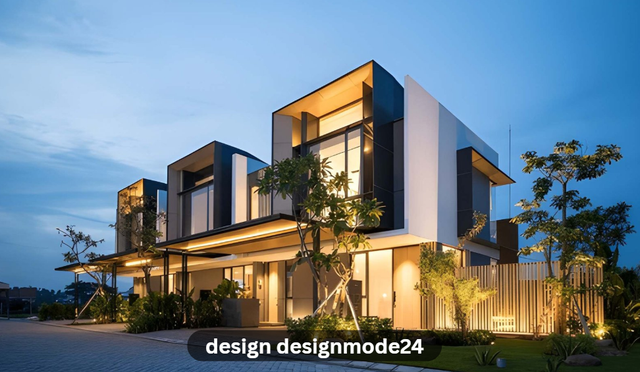
A simple modern house design combines elegance, practicality, and affordability into one beautiful living space. Instead of focusing on excessive decoration, modern homes emphasize clean lines, open layouts, natural lighting, and efficient use of space. This design philosophy has become increasingly popular among homeowners because it creates homes that are easy to maintain while offering a comfortable and visually appealing lifestyle.
Whether you are planning to build your first home or renovate an existing property, choosing a modern design can improve both functionality and long-term value. From compact urban homes to spacious suburban residences, this architectural style adapts to different budgets and family sizes. Modern homes also prioritize energy efficiency by maximizing natural ventilation and sunlight, reducing electricity costs over time. In this guide, you will learn everything about creating the perfect simple modern house design, including its key features, layout ideas, planning tips, material selection, and common mistakes to avoid.
Why Choose a Simple Modern House Design?
One of the biggest reasons homeowners prefer a simple modern house design is its timeless appearance. Unlike heavily decorated architectural styles that may become outdated, modern homes maintain their appeal for decades through clean architecture and practical planning.
Modern homes are also highly functional. Every room serves a purpose without unnecessary complexity. Open living spaces improve family interaction while making smaller homes appear larger. Large windows invite natural light into every corner, reducing dependence on artificial lighting during the day.
Another advantage is affordability. Simpler rooflines, minimal decorative elements, and efficient floor plans often reduce construction costs compared to more elaborate architectural styles. Additionally, maintenance becomes easier because there are fewer decorative surfaces that require regular repairs or cleaning.
This style also supports sustainable living by incorporating eco-friendly materials, proper insulation, rainwater harvesting systems, and energy-efficient windows. As environmental awareness grows, many homeowners appreciate the long-term savings and reduced environmental impact that modern homes provide.
Key Features of a Simple Modern House Design
A successful simple modern house design includes several important architectural elements that balance beauty and functionality.
Some of the most common features include:
- Clean and straight architectural lines
- Open floor plans connecting living spaces
- Large windows for natural lighting
- Neutral color palettes
- Minimal decorative details
- Functional storage solutions
- Energy-efficient materials
- Indoor and outdoor space integration
Rather than overwhelming visitors with decorative features, modern homes create visual appeal through proportion, balance, and quality materials. Even compact homes can feel luxurious when designed with thoughtful layouts and sufficient natural light.
Planning the Perfect Home Layout
Before construction begins, careful planning is essential. Every square foot should serve a meaningful purpose while maintaining comfortable movement throughout the home.
A typical modern floor plan usually includes an open living room connected to the dining area and kitchen. This arrangement encourages better communication among family members while making the space feel significantly larger.
Bedrooms are generally positioned away from common areas to improve privacy. Bathrooms are strategically located for convenience while minimizing plumbing expenses.
Storage should also be integrated into the design from the beginning. Built-in wardrobes, kitchen cabinets, and hidden storage compartments help maintain the uncluttered appearance that modern homes are known for.
Future needs should also be considered. Families planning for children or aging parents may benefit from flexible spaces that can easily adapt over time without requiring expensive renovations.
Choosing the Right Building Materials
Material selection greatly influences both appearance and durability. Modern homes typically use a balanced combination of natural and engineered materials.
Concrete provides structural strength and clean architectural finishes. Glass increases natural lighting while enhancing the home’s modern appearance. Steel offers durability and supports larger open spaces with fewer columns.
Wood introduces warmth into otherwise minimal interiors, creating a comfortable atmosphere without compromising the contemporary aesthetic. Stone accents can also add texture while maintaining simplicity.
When selecting materials, homeowners should consider climate conditions, maintenance requirements, and long-term durability. High-quality materials may require a larger initial investment but often reduce repair and replacement costs over many years.
Sustainable building materials are becoming increasingly popular because they improve energy efficiency while reducing environmental impact.
Interior Design Ideas for Modern Homes
The interior should complement the overall architecture by maintaining simplicity and functionality. Furniture should be comfortable without appearing bulky or overcrowded.
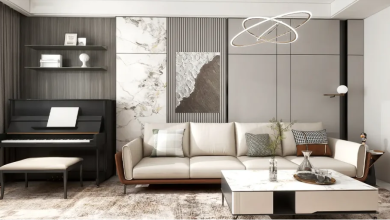
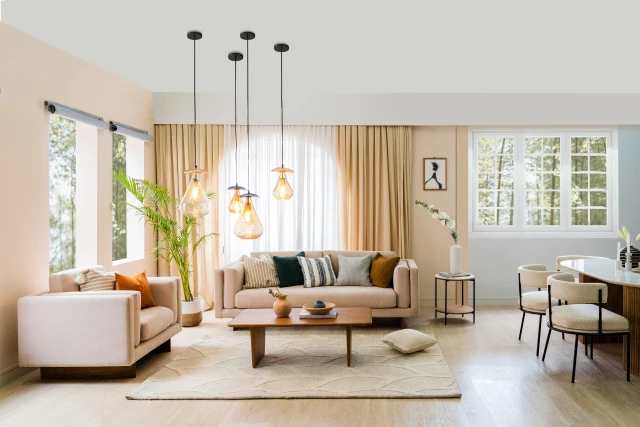
Neutral shades such as white, gray, beige, and soft earth tones dominate modern interiors. These colors create bright, relaxing environments while allowing furniture and artwork to become subtle focal points.
Lighting also plays an important role. Recessed ceiling lights, pendant fixtures, and natural daylight work together to create comfortable living spaces.
Minimal decorations keep interiors clean and organized. Instead of displaying numerous decorative objects, homeowners often choose a few carefully selected artwork pieces or indoor plants.
Smart home technology further enhances convenience by controlling lighting, security, temperature, and appliances through mobile devices.
Estimated Construction Components
| Component | Importance | Budget Impact |
|---|---|---|
| Foundation | Structural stability | High |
| Roofing | Weather protection | Medium to High |
| Flooring | Appearance and durability | Medium |
| Windows | Natural lighting | Medium |
| Kitchen | Daily functionality | High |
| Bathrooms | Comfort and convenience | Medium |
| Electrical System | Safety and efficiency | Medium |
| Interior Finishes | Final appearance | Medium |
This table provides a general overview of major construction components. Actual costs vary depending on location, materials, labor rates, and design complexity.
Energy Efficiency in Modern Homes
One major strength of a simple modern house design is its ability to reduce long-term energy consumption. Smart architectural planning minimizes waste while improving indoor comfort throughout the year.
Large windows positioned strategically allow natural daylight to illuminate interiors without excessive heat gain. Proper insulation helps maintain comfortable indoor temperatures during both summer and winter.
Energy-efficient appliances further reduce electricity bills while supporting environmentally responsible living. Solar panels are increasingly being incorporated into modern homes to generate renewable electricity.
Water-saving plumbing fixtures, rainwater collection systems, and drought-resistant landscaping also contribute to sustainable living.
Good ventilation reduces dependence on air conditioning by encouraging natural airflow throughout the home. Ceiling fans and cross ventilation often provide sufficient cooling in many climates.
These environmentally friendly solutions not only lower utility expenses but also increase the property’s long-term market value.
Common Mistakes to Avoid
Although modern homes appear simple, poor planning can reduce both functionality and visual appeal.
Some common mistakes include:
- Ignoring future family needs
- Choosing style over functionality
- Poor natural lighting
- Inadequate storage space
- Low-quality construction materials
- Poor ventilation planning
- Overcrowding rooms with furniture
- Skipping professional architectural advice
Avoiding these mistakes during the planning stage can save significant time and money later while ensuring the home remains practical for many years.
Tips for Creating the Perfect Simple Modern House Design
Creating a successful simple modern house design requires balancing appearance with everyday functionality. Every design decision should improve comfort while maintaining visual simplicity.
Start by understanding your family’s lifestyle and daily routines. Prioritize open living spaces if family interaction is important. Allocate sufficient storage to prevent clutter from affecting the home’s clean appearance.
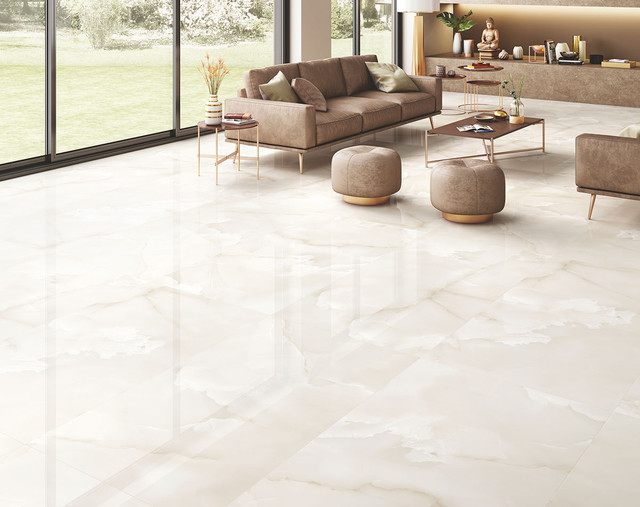
Invest in quality windows because natural light dramatically influences interior comfort. Choose durable flooring materials that require minimal maintenance while complementing the overall design.
Focus on long-term value rather than short-term trends. Neutral colors, timeless furniture, and practical layouts remain attractive for many years.
Finally, collaborate with experienced architects and contractors who understand modern design principles. Their expertise can help transform ideas into a home that is beautiful, functional, and financially practical.
Future Trends in Modern House Design
Modern architecture continues evolving as technology and sustainability become increasingly important. Future homes are expected to integrate advanced automation systems, renewable energy, and environmentally friendly construction materials.
Flexible rooms that serve multiple purposes are becoming more common, especially in urban environments where space is limited. Home offices, convertible guest rooms, and multifunctional furniture help maximize usable space.
Smart lighting, voice-controlled devices, automated security systems, and energy monitoring solutions are quickly becoming standard features.
Biophilic design, which incorporates natural materials, indoor gardens, and stronger connections with outdoor spaces, is also gaining popularity.
Despite these technological advancements, the core philosophy of simple modern house design remains unchanged: creating comfortable, efficient, and visually appealing homes that support modern lifestyles while remaining practical and affordable.
Conclusion
A simple modern house design offers an excellent combination of style, functionality, affordability, and sustainability. Its clean architectural lines, efficient layouts, natural lighting, and practical use of space make it one of the most popular housing styles for today’s homeowners. Whether building a compact family home or a larger residence, this design philosophy adapts to different lifestyles while maintaining timeless visual appeal. Careful planning, quality materials, energy-efficient features, and thoughtful interior design all contribute to creating a home that remains beautiful and functional for decades. By focusing on simplicity rather than unnecessary complexity, homeowners can enjoy lower maintenance costs, improved comfort, and higher long-term property value.