Polycarbonate Roofing Sheet Solutions for Durable Modern Roofing


Introduction
A polycarbonate roofing sheet has become one of the most popular roofing materials used in residential, commercial, and industrial construction projects. Known for its durability, lightweight structure, and excellent light transmission, this roofing solution offers a practical alternative to traditional roofing materials. Whether used for patios, greenhouses, warehouses, skylights, or outdoor structures, polycarbonate sheets provide long-lasting performance and visual appeal.
Modern construction requires roofing materials that can withstand harsh weather conditions while maintaining energy efficiency and aesthetics. This is where polycarbonate roofing products stand out. They are designed to resist impact, UV radiation, and temperature fluctuations, making them suitable for a variety of climates. Their versatility and cost-effectiveness have increased their popularity among homeowners, architects, and builders worldwide.
In this comprehensive guide, we will explore the features, benefits, applications, installation process, maintenance requirements, and reasons why a polycarbonate roofing sheet is considered a valuable investment for modern construction projects.
What Is a Polycarbonate Roofing Sheet?

A polycarbonate roofing sheet is a thermoplastic roofing material manufactured from high-quality polycarbonate resin. It is engineered to offer exceptional strength while remaining lightweight and easy to handle. Unlike glass, polycarbonate sheets provide similar transparency while being significantly more impact-resistant.
These roofing sheets are available in various designs, including solid, corrugated, and multiwall structures. Each type serves different purposes depending on the project’s requirements. Solid sheets provide maximum transparency, corrugated sheets offer enhanced drainage and strength, while multiwall sheets improve thermal insulation.
The material is widely used in applications where natural light is desired without compromising safety and durability. Because of its unique properties, polycarbonate roofing has become a preferred choice for both residential and commercial roofing projects.
Key Characteristics
- Lightweight yet highly durable
- Excellent impact resistance
- UV-protected surface
- High light transmission
- Weather-resistant performance
- Easy installation and maintenance
Benefits of Using Polycarbonate Roofing Sheets
One of the biggest reasons for choosing a polycarbonate roofing sheet is the wide range of benefits it offers. These advantages make it suitable for diverse construction applications and ensure long-term value for property owners.
The material’s exceptional strength allows it to withstand heavy rainfall, hailstorms, and strong winds. Unlike traditional glass, polycarbonate is less likely to crack or shatter under impact. This feature makes it particularly useful in areas prone to severe weather conditions.
Another major advantage is its ability to transmit natural light effectively. Buildings can benefit from reduced dependence on artificial lighting during daytime hours, contributing to lower energy consumption. In addition, UV-resistant coatings protect occupants and interior furnishings from harmful ultraviolet rays.
The lightweight nature of polycarbonate sheets simplifies transportation and installation. Contractors can complete projects more efficiently, reducing labor costs and construction time. These combined benefits make polycarbonate roofing a practical and economical solution.
Types of Polycarbonate Roofing Sheets
There are several types of polycarbonate sheets available, each designed for specific applications and performance requirements.
Solid Polycarbonate Sheets
Solid sheets resemble glass in appearance but offer significantly greater impact resistance. They are commonly used in skylights, canopies, and architectural glazing projects where transparency is important.
Corrugated Polycarbonate Sheets
Corrugated sheets feature a wave-like design that enhances structural strength and water drainage. They are widely used in industrial buildings, carports, patios, and agricultural structures.
Multiwall Polycarbonate Sheets
Multiwall sheets consist of multiple layers separated by air pockets. These pockets provide excellent insulation, making them ideal for greenhouses, conservatories, and energy-efficient buildings.
Textured Polycarbonate Sheets
Textured sheets diffuse light while maintaining privacy. They are often installed in areas where glare reduction and visual comfort are priorities.
Each type of polycarbonate roofing material offers unique advantages, allowing builders to select the most suitable option based on project requirements.
Common Applications of Polycarbonate Roofing
The versatility of polycarbonate sheets enables their use across numerous sectors. Their strength, transparency, and weather resistance make them suitable for both indoor and outdoor applications.
Residential Applications
- Patio covers
- Pergolas
- Carports
- Balconies
- Skylights
- Garden shelters
Commercial Applications
- Shopping center roofing
- Walkway covers
- Bus shelters
- Office building skylights
- Outdoor seating areas
Industrial Applications
- Factory roofing
- Warehouse lighting panels
- Manufacturing facilities
- Agricultural buildings
Greenhouses represent another significant application area. The ability of polycarbonate sheets to transmit sunlight while providing insulation creates an ideal growing environment for plants. This combination supports healthy plant development while reducing heating costs.
Installation Process
Proper installation is essential for maximizing the lifespan and performance of a polycarbonate roofing sheet. While installation is generally straightforward, following recommended guidelines ensures optimal results.
Before installation, the supporting framework should be inspected to ensure it is structurally sound and capable of supporting the roofing sheets. Measurements must be taken carefully to achieve accurate cutting and fitting.
The sheets should be installed with the UV-protected side facing outward. Fasteners designed specifically for polycarbonate roofing should be used to prevent damage and allow for thermal expansion. Adequate spacing between sheets is important because polycarbonate naturally expands and contracts with temperature changes.
Installation Tips
- Use manufacturer-approved fasteners
- Allow room for expansion and contraction
- Ensure proper roof slope for drainage
- Seal joints effectively
- Avoid overtightening screws
Following these guidelines helps maintain structural integrity and prevents issues such as leaks or cracking over time.
Maintenance and Care
One of the most attractive features of polycarbonate roofing is its low maintenance requirements. Routine cleaning and periodic inspections are generally sufficient to maintain its appearance and performance.
Cleaning can be performed using mild soap, water, and a soft cloth or sponge. Abrasive cleaning products should be avoided because they may scratch the surface. Regular removal of leaves, dirt, and debris helps prevent drainage problems and preserves the sheet’s transparency.
Property owners should also inspect fasteners, seals, and supporting structures periodically. Addressing minor issues promptly can prevent more significant problems from developing later.
Maintenance Checklist
- Clean surfaces regularly
- Remove accumulated debris
- Inspect fasteners and seals
- Check for physical damage
- Ensure proper drainage
With proper care, polycarbonate roofing systems can remain functional and attractive for many years.
Why Polycarbonate Roofing Is a Cost-Effective Solution
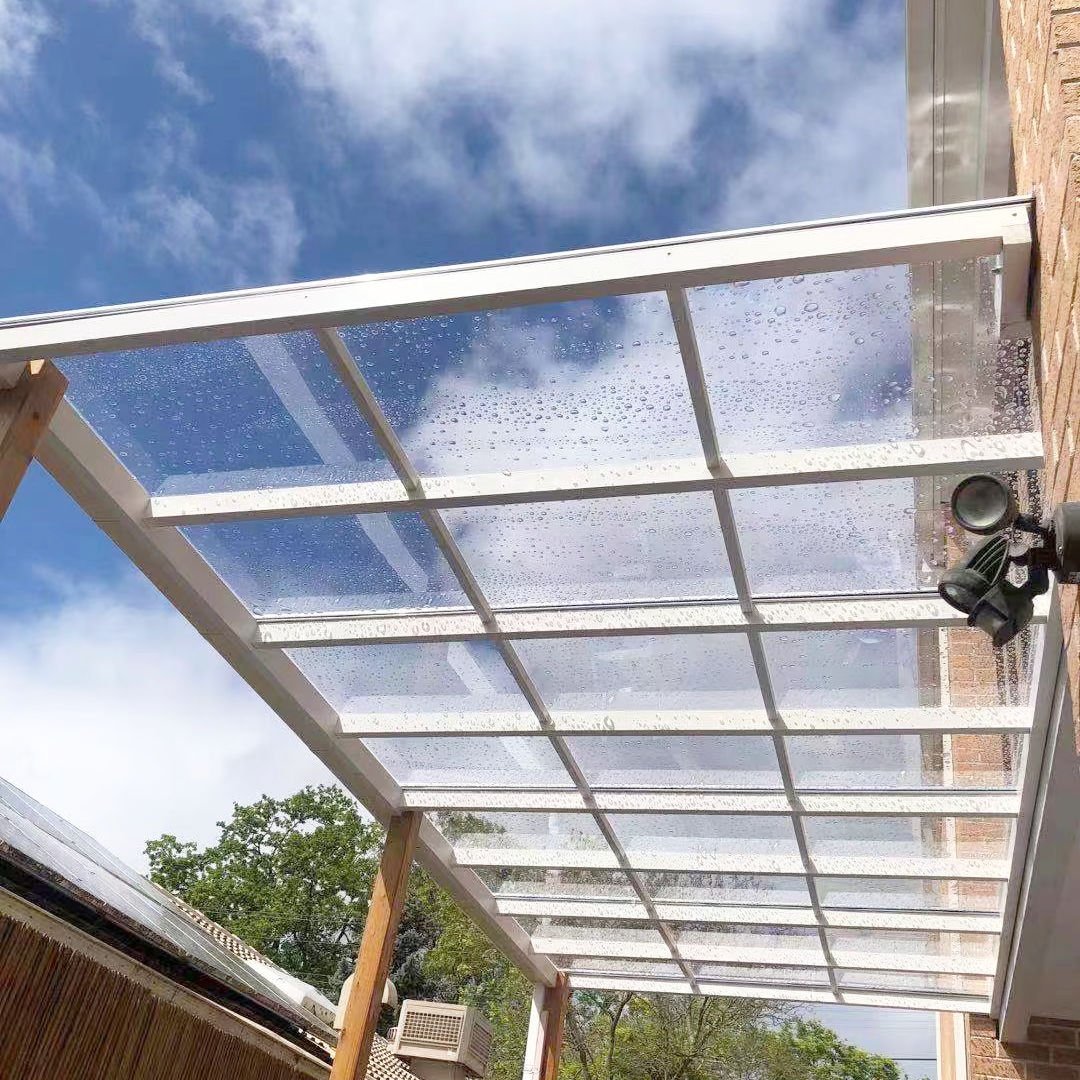
The long-term value of a polycarbonate roofing sheet extends beyond its initial purchase price. Its durability reduces replacement costs, while its lightweight nature lowers installation expenses. The material’s ability to maximize natural light can also contribute to energy savings.
Compared with traditional roofing materials, polycarbonate often requires less structural support due to its reduced weight. This can lead to additional cost savings during construction. Furthermore, the material’s resistance to corrosion, moisture, and UV damage minimizes maintenance and repair expenses.
Businesses and homeowners alike appreciate the combination of performance, longevity, and affordability offered by polycarbonate roofing systems. These factors make it an attractive investment for a wide range of projects.
Environmental Advantages
Sustainability has become an important consideration in modern construction. Polycarbonate roofing contributes to environmentally responsible building practices in several ways.
Its light-transmitting properties reduce the need for artificial lighting during daylight hours, lowering energy consumption. Many polycarbonate products are also recyclable, helping reduce waste at the end of their service life.
The durability of polycarbonate means fewer replacements are needed over time, conserving resources and reducing environmental impact. These characteristics align well with green building initiatives and sustainable design principles.
Conclusion
A polycarbonate roofing sheet is an innovative roofing solution that combines strength, durability, light transmission, and energy efficiency. Its ability to withstand harsh weather conditions while providing excellent visibility and insulation makes it suitable for residential, commercial, and industrial applications. From patios and skylights to warehouses and greenhouses, polycarbonate roofing continues to demonstrate its versatility and value.
With multiple sheet types available, easy installation, low maintenance requirements, and long-term cost savings, it is easy to understand why this material has become a preferred choice among builders and property owners. Investing in a polycarbonate roofing sheet ensures reliable performance, enhanced aesthetics, and lasting protection for modern construction projects.