
A well-planned home garden design can transform any outdoor area into a relaxing retreat, a productive green space, and an extension of your home’s personality. Whether you have a sprawling backyard, a compact courtyard, or a small urban plot, thoughtful planning and creative landscaping can help you maximize the beauty and functionality of your garden.
Modern homeowners increasingly value outdoor spaces that offer comfort, sustainability, and visual appeal. A garden is no longer just a place for plants; it has become an area for entertaining guests, spending quality time with family, and connecting with nature. By understanding the fundamentals of layout, plant selection, hardscaping, and maintenance, anyone can create a garden that remains attractive throughout the year.
This guide explores everything you need to know about designing an impressive outdoor space, from planning principles and garden styles to practical tips for maintenance and sustainability.
Why Home Garden Design Matters
A thoughtfully designed garden offers much more than aesthetic value. It creates a welcoming environment that improves the overall appearance of your property while enhancing your lifestyle. Gardens contribute to better air quality, support local biodiversity, and provide a calming atmosphere that helps reduce daily stress.
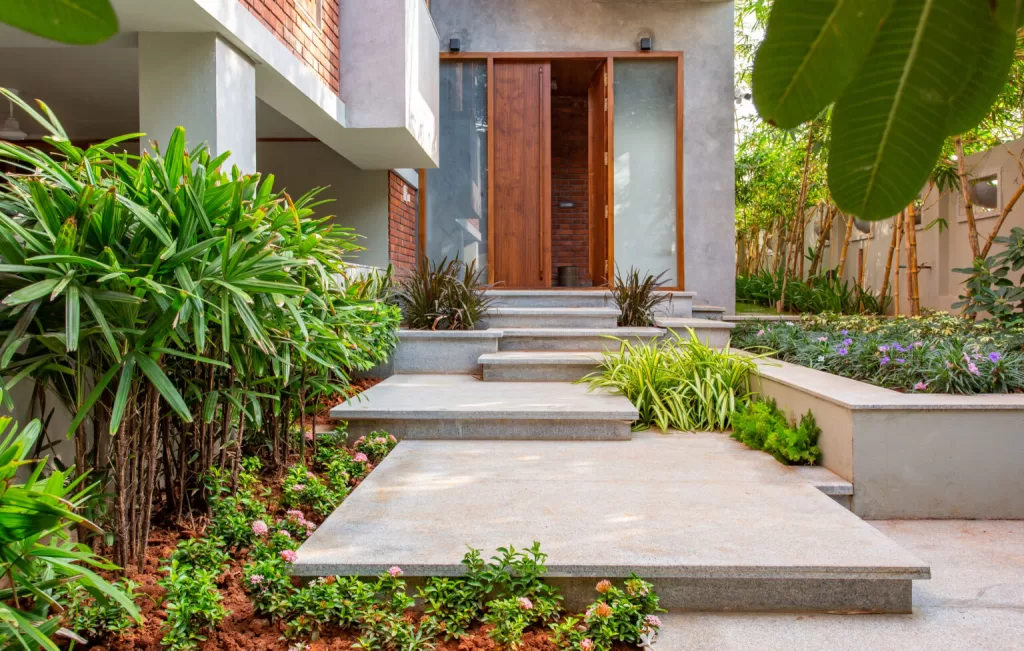
An effective home garden design balances beauty and practicality. It ensures that pathways, seating areas, flower beds, and lawns work together harmoniously. Rather than filling a space randomly with plants and decorative elements, a strategic design creates visual flow and purpose.
Gardens can also increase property value. Potential buyers often appreciate attractive outdoor spaces because they add usable living areas beyond the home itself. Whether you are planning to stay in your home for years or considering future resale opportunities, investing in a well-designed garden can deliver significant long-term benefits.
Planning Your Home Garden Design
Every successful garden begins with careful planning. Before selecting plants or purchasing decorative features, assess your available space and determine your goals. Think about how you intend to use the garden. Some homeowners prioritize relaxation, while others focus on growing vegetables, entertaining guests, or creating a play area for children.
Consider factors such as sunlight exposure, soil quality, drainage, and climate conditions. These elements significantly influence which plants will thrive in your garden. Sketching a simple layout can help visualize how different areas will connect and function together.
When planning your home garden design, divide the space into zones. For example, you may dedicate one section to flowers, another to seating, and another to edible plants. This approach helps maintain organization and prevents the garden from appearing cluttered.
Essential Planning Considerations
- Available space and dimensions
- Sunlight and shade patterns
- Soil quality and drainage
- Desired garden style
- Maintenance requirements
- Budget limitations
- Seasonal changes
By evaluating these factors early, you can avoid costly mistakes and create a more cohesive outdoor environment.
Popular Garden Design Styles
Choosing a design style provides direction for the entire project. Different styles evoke different moods and aesthetics, allowing homeowners to personalize their outdoor spaces according to their preferences.
Modern Garden Design
Modern gardens emphasize simplicity, clean lines, and minimalism. Geometric shapes, neutral colors, and structured planting arrangements create a sophisticated appearance. Materials such as concrete, steel, and stone are commonly used to complement the contemporary aesthetic.
Cottage Garden Design
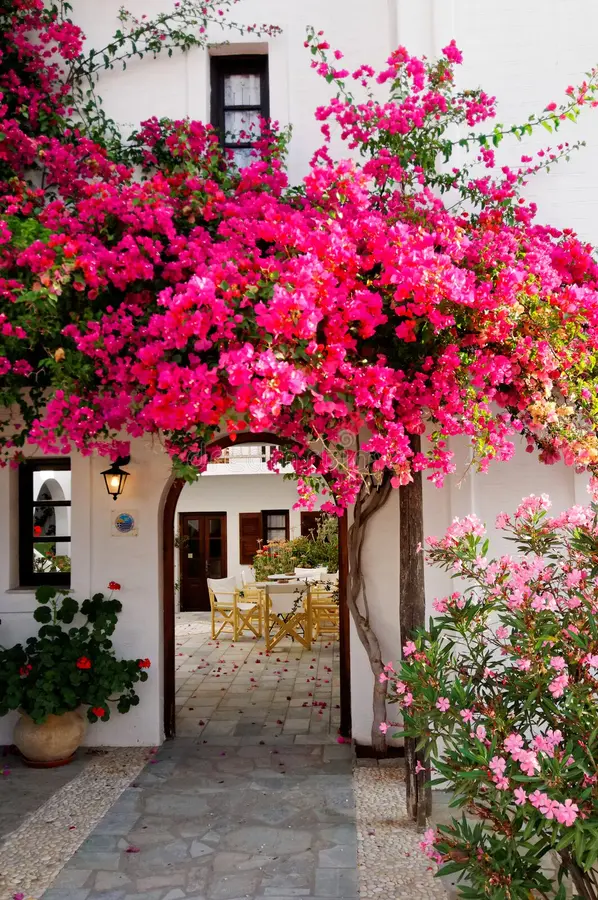
Cottage gardens feature abundant flowers, winding pathways, and a relaxed atmosphere. Colorful blooms, climbing plants, and informal planting arrangements contribute to a charming and romantic feel.
Mediterranean Garden Design
Inspired by warm climates, Mediterranean gardens incorporate drought-resistant plants, terracotta pots, gravel pathways, and natural stone features. Olive trees, lavender, and rosemary are common elements.
Tropical Garden Design
Tropical gardens showcase lush greenery, vibrant flowers, and dramatic foliage. Water features and exotic plants create a resort-like atmosphere that feels both luxurious and refreshing.
Selecting a style helps guide decisions regarding plants, materials, furniture, and decorative features.
Choosing the Right Plants
Plant selection is one of the most important aspects of any garden project. The right combination of trees, shrubs, flowers, and ground covers creates visual interest and ensures year-round appeal.
A successful home garden design includes plants of varying heights, textures, and colors. Layering vegetation helps create depth and dimension throughout the landscape. Taller plants can serve as focal points, while smaller varieties fill gaps and soften edges.
Native plants are often excellent choices because they adapt well to local conditions and require less maintenance. They also support pollinators such as bees and butterflies, contributing to a healthier ecosystem.
When selecting plants, consider:
- Growth rate and mature size
- Water requirements
- Seasonal interest
- Flowering periods
- Maintenance needs
- Resistance to pests and diseases
By choosing plants carefully, you can create a garden that remains attractive and manageable throughout the year.
Garden Layout and Space Organization
A functional layout is essential for maximizing both beauty and usability. Every element should have a purpose and contribute to the overall flow of the garden.

Pathways connect different areas and encourage movement throughout the space. Curved paths create a sense of discovery, while straight paths provide a more formal appearance. Seating areas should be positioned to take advantage of attractive views, shade, or privacy.
The following table highlights common garden zones and their purposes:
| Garden Zone | Primary Purpose | Recommended Features |
|---|---|---|
| Entrance Area | First impression | Flower beds, decorative plants |
| Relaxation Zone | Leisure and comfort | Benches, pergolas, shade trees |
| Dining Area | Outdoor meals | Patio, furniture, lighting |
| Vegetable Garden | Food production | Raised beds, irrigation |
| Play Area | Family activities | Open lawn, safe surfaces |
| Water Feature Zone | Visual appeal | Fountain, pond, waterfall |
Organizing the garden into designated zones helps create structure and ensures efficient use of available space.
Hardscaping Elements in Garden Design
Hardscaping refers to the non-living features within a garden. These elements provide structure, define spaces, and enhance functionality.
Common hardscaping features include patios, decks, retaining walls, pathways, fences, pergolas, and water features. Materials should complement the architectural style of the home while remaining durable and practical.
Incorporating hardscaping into your home garden design helps balance soft landscaping elements such as plants and lawns. Too many plants without structural features can make a garden appear chaotic, while excessive hardscaping may feel cold and uninviting.
Popular hardscaping materials include:
- Natural stone
- Brick
- Concrete pavers
- Wood
- Gravel
- Metal accents
The key is finding the right balance between built features and natural elements.
Creating a Sustainable Garden
Sustainability has become an important consideration in modern landscaping. Environmentally friendly practices help conserve resources while reducing maintenance costs.
A sustainable home garden design focuses on efficient water usage, soil health, and biodiversity. Installing rainwater collection systems and drip irrigation can significantly reduce water consumption. Mulching helps retain moisture while suppressing weeds.
Native and drought-tolerant plants require less water and are often more resilient to local conditions. Composting kitchen and garden waste enriches soil naturally and reduces the need for synthetic fertilizers.
Additional sustainability practices include:
- Using organic fertilizers
- Planting pollinator-friendly species
- Reducing lawn areas
- Reusing materials where possible
- Minimizing chemical pesticides
These strategies create healthier gardens that benefit both homeowners and the environment.
Outdoor Furniture and Decorative Features
Furniture and accessories play a significant role in transforming a garden into an enjoyable living space. Comfortable seating encourages relaxation, while decorative elements add personality and style.
When selecting outdoor furniture, prioritize durability and weather resistance. Materials such as teak, aluminum, and synthetic wicker perform well in various climates.
Decorative features may include:
- Garden sculptures
- Decorative planters
- Outdoor rugs
- String lighting
- Fire pits
- Water fountains
- Pergolas and arbors
Incorporating these elements into your home garden design creates inviting spaces for social gatherings and everyday enjoyment.
Lighting for Ambiance and Safety
Garden lighting extends usability after sunset while enhancing visual appeal. Path lights improve safety, while accent lighting highlights architectural features, trees, and focal points.
Layered lighting creates depth and atmosphere. Combining functional illumination with decorative fixtures produces a welcoming environment suitable for entertaining and relaxation.
Maintaining Your Garden for Long-Term Success
Even the most beautiful garden requires regular care to remain healthy and attractive. Maintenance routines should be realistic and aligned with your available time and resources.
Key maintenance tasks include watering, pruning, fertilizing, weeding, and pest management. Seasonal inspections help identify potential problems before they become significant issues.
A well-maintained home garden design continues to evolve and improve over time. Plants mature, landscapes develop character, and outdoor spaces become increasingly functional as they adapt to changing needs.
Creating a maintenance schedule can simplify garden care and ensure tasks are completed consistently. Proper maintenance protects your investment and preserves the beauty of the landscape for years to come.
Conclusion
A successful home garden design combines creativity, functionality, and thoughtful planning to create an outdoor space that enhances daily life. From selecting the right garden style and plants to organizing layouts and incorporating hardscaping features, every decision contributes to the overall experience.
Read more: Small Modern House Design: A Complete Guide to Stylish and Functional Living