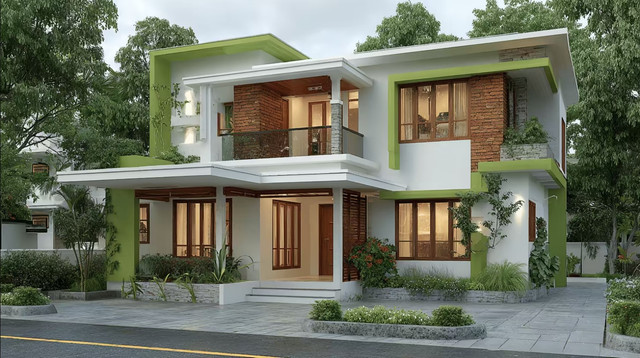
Modern homeowners are increasingly embracing compact living spaces that offer comfort, efficiency, and aesthetic appeal. A small modern house design combines contemporary architecture with smart space planning, allowing homeowners to enjoy beautiful and practical homes without requiring large plots of land. As urban areas become more crowded and property prices continue to rise, smaller homes have emerged as an attractive solution for families, professionals, and retirees alike.
The appeal of modern small homes extends beyond affordability. These houses are easier to maintain, more energy-efficient, and often feature innovative layouts that maximize every square foot. Large windows, open floor plans, minimalist interiors, and sustainable materials are common elements that make these homes feel spacious despite their compact size.
Whether you are planning to build your dream home or looking for inspiration for a renovation project, understanding the principles behind a successful small modern house design can help you create a home that is both beautiful and highly functional. This comprehensive guide explores design concepts, layouts, materials, trends, and practical tips for creating an exceptional modern home.
Why Small Modern Homes Are Growing in Popularity
The popularity of small modern homes has grown significantly over the past decade. Many homeowners are shifting their focus from size to functionality and quality. Rather than investing in large properties with unused spaces, people are choosing compact homes designed to meet their specific needs.
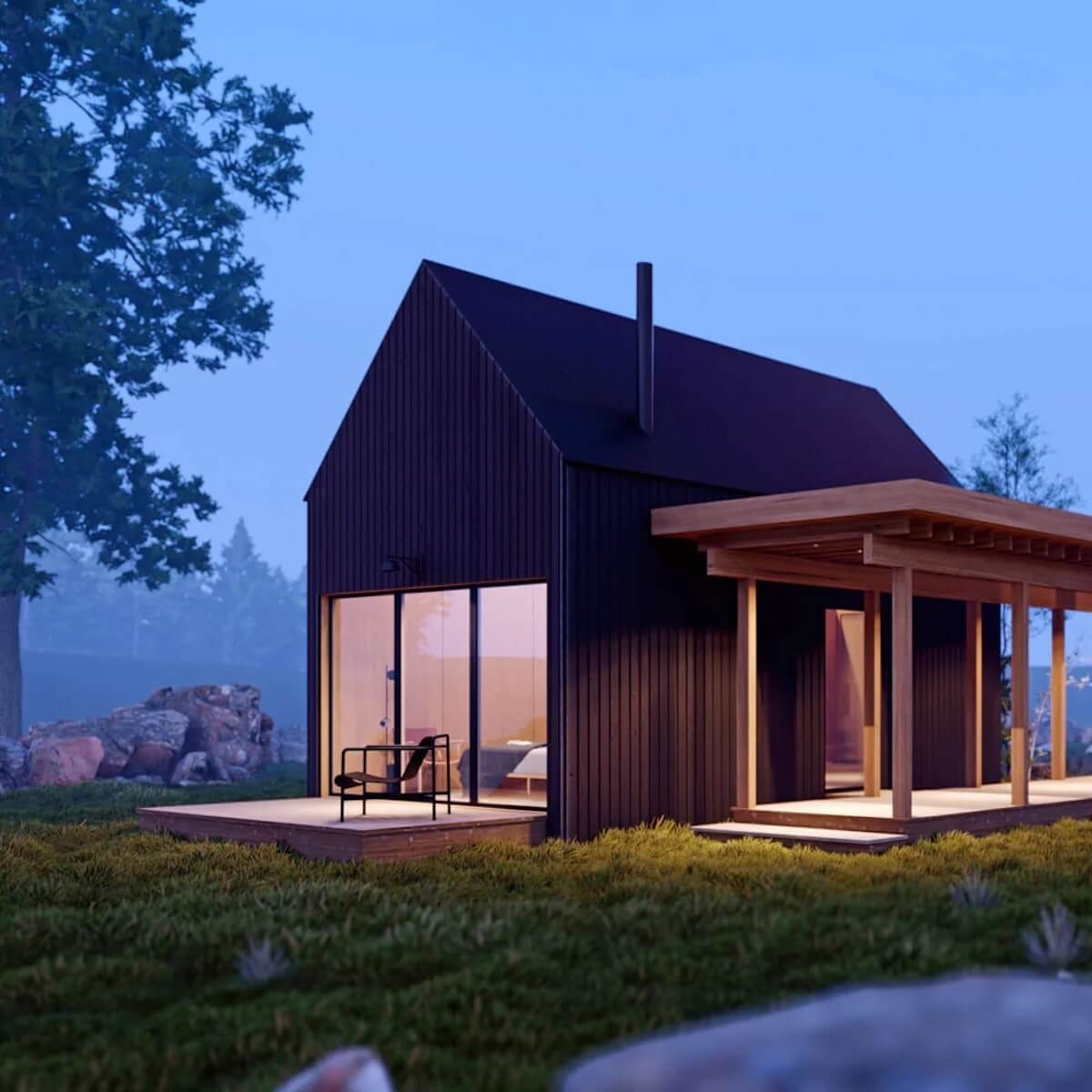
A well-planned small home reduces construction costs while maintaining a high level of comfort. Smaller spaces require fewer materials, lower utility expenses, and less maintenance over time. Additionally, modern architectural techniques help create interiors that feel open and inviting despite limited square footage.
Another reason for their popularity is sustainability. Smaller homes consume less energy for heating, cooling, and lighting. Combined with eco-friendly materials and energy-efficient systems, they contribute to a more environmentally responsible lifestyle. This combination of affordability, sustainability, and modern aesthetics makes compact homes a preferred choice for many individuals and families.
Key Features of a Small Modern House Design
A successful small modern house design incorporates several essential features that improve both appearance and functionality. These elements help maximize available space while creating a comfortable living environment.
Some common features include:
- Open-concept floor plans
- Large windows for natural light
- Minimalist interior design
- Multi-functional furniture
- Energy-efficient construction
- Smart storage solutions
- Clean architectural lines
- Neutral color palettes
These features work together to create a sense of openness and sophistication. Modern homes avoid unnecessary ornamentation and focus on practical solutions that improve everyday living. The result is a home that feels larger, brighter, and more organized than its actual size may suggest.
Understanding Open Floor Plans
Benefits of Open Layouts
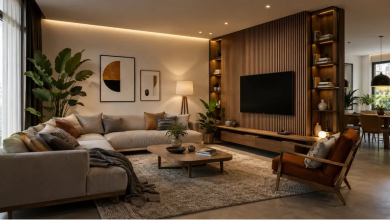
One of the defining characteristics of modern architecture is the open floor plan. Walls separating living rooms, dining areas, and kitchens are minimized or removed entirely, creating a seamless flow throughout the home.
Open layouts provide several advantages. They allow natural light to travel freely through the space, making interiors feel larger and brighter. Family members can interact more easily while cooking, dining, or relaxing. The flexible layout also provides greater freedom when arranging furniture and decorating.
In compact homes, eliminating unnecessary walls creates visual continuity that reduces feelings of confinement. This approach is particularly effective in homes under 1,500 square feet, where every inch of usable space matters.
Creating Functional Zones
Although open layouts remove physical barriers, functional zones remain important. Furniture placement, area rugs, lighting fixtures, and decorative elements can define separate areas without disrupting the overall openness of the home.
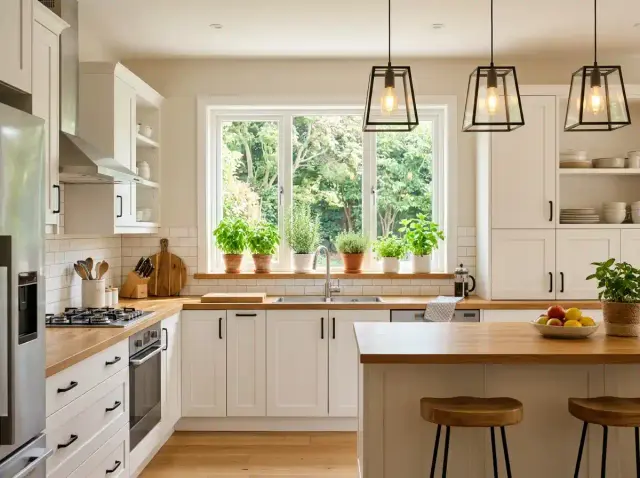
For example, a sofa can establish the living room boundary, while a kitchen island separates cooking and dining spaces. This strategy maintains functionality while preserving the spacious feel associated with modern design.
Choosing the Right Exterior Design
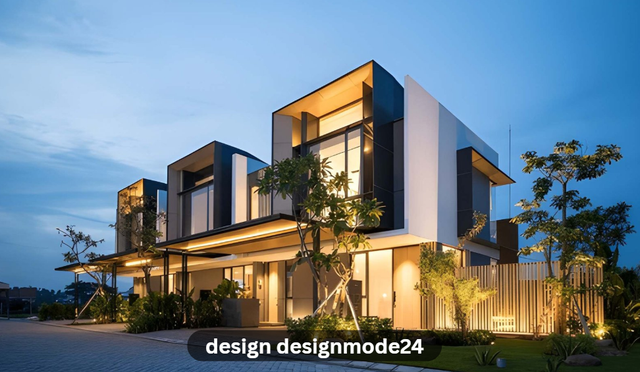
The exterior appearance plays a crucial role in the overall success of a modern home. Contemporary architecture emphasizes simplicity, geometric shapes, and balanced proportions.
Popular Exterior Materials
Modern homes often feature a combination of materials that create visual interest and durability.
| Material | Benefits | Modern Appeal |
|---|---|---|
| Concrete | Durable and low maintenance | Clean contemporary look |
| Wood | Warm and natural appearance | Adds texture and contrast |
| Glass | Maximizes natural light | Creates openness |
| Steel | Strong and modern | Industrial elegance |
| Stone | Long-lasting and attractive | Timeless sophistication |
Combining these materials can produce a striking facade while maintaining the minimalist principles of modern architecture.
Roof Styles for Modern Homes
Flat roofs are commonly associated with contemporary homes, although low-pitched roofs are also popular. These roof designs contribute to the clean lines and streamlined appearance that define modern architecture.
In addition to aesthetics, modern roofing systems often support solar panels and rainwater harvesting solutions, enhancing environmental sustainability.
Interior Design Principles for Small Modern Homes
The interior design of a compact modern home should prioritize simplicity, functionality, and visual harmony. Every design choice should contribute to the overall efficiency of the space.

Neutral colors such as white, gray, beige, and soft earth tones create a bright and airy atmosphere. These colors reflect light effectively and help rooms appear larger. Strategic use of accent colors can add personality without overwhelming the space.
Furniture selection is equally important. Modern interiors favor clean-lined furniture with simple forms and practical functions. Pieces that offer hidden storage or multiple uses are especially valuable in smaller homes.
A thoughtful small modern house design carefully balances aesthetics and practicality. Decorative elements should be chosen selectively to avoid visual clutter while maintaining warmth and character.
Smart Storage Solutions
Maximizing Every Inch
Storage is often one of the biggest challenges in compact homes. Effective storage solutions help maintain organization and prevent spaces from feeling crowded.
Built-in cabinets, under-stair storage, wall-mounted shelves, and custom closets are excellent ways to maximize available space. Vertical storage solutions are particularly useful because they utilize wall height rather than floor area.
Multi-Purpose Furniture
Modern homeowners increasingly rely on furniture that serves multiple purposes. Examples include:
- Beds with storage drawers
- Foldable dining tables
- Storage ottomans
- Convertible sofas
- Wall-mounted desks
These versatile pieces improve functionality without sacrificing comfort or style.
The Importance of Natural Light
Natural light is a cornerstone of contemporary home design. Large windows, glass doors, skylights, and clerestory windows help illuminate interiors and create a stronger connection to the outdoors.
Bright interiors appear larger and more inviting. Exposure to natural light can also improve mood, productivity, and overall well-being. In many cases, effective daylighting reduces dependence on artificial lighting, leading to lower energy consumption.
Architects often position windows strategically to maximize sunlight throughout the day while minimizing heat gain. Proper orientation and shading devices help maintain indoor comfort across different seasons.
Energy Efficiency in Modern Homes
Energy efficiency is an essential aspect of contemporary residential design. Homeowners increasingly seek solutions that reduce utility costs while minimizing environmental impact.
Modern construction techniques include advanced insulation systems, high-performance windows, energy-efficient appliances, and smart home technologies. Together, these features significantly improve overall energy performance.
Solar panels have become a popular addition to many modern homes. Even smaller properties can benefit from renewable energy systems that offset electricity consumption and reduce long-term expenses.
A thoughtfully planned small modern house design naturally supports energy efficiency because smaller spaces require fewer resources to heat, cool, and maintain.
Outdoor Living Spaces
Extending the Home Beyond Its Walls
Modern architecture often blurs the line between indoor and outdoor living. Even small homes can benefit from well-designed exterior spaces that expand usable living areas.
Popular outdoor features include:
- Covered patios
- Outdoor dining areas
- Rooftop terraces
- Courtyards
- Garden seating spaces
These areas provide additional room for relaxation, entertainment, and recreation while enhancing the overall lifestyle experience.
Landscaping for Modern Homes
Contemporary landscaping emphasizes simplicity and structure. Clean pathways, geometric planting arrangements, and low-maintenance greenery complement modern architecture beautifully.
Native plants and drought-resistant landscaping can further improve sustainability while reducing maintenance requirements.
Technology and Smart Home Integration
Modern homes increasingly incorporate technology that improves convenience, comfort, and security. Smart home systems allow homeowners to control lighting, temperature, appliances, and security features from mobile devices.
Some popular smart home features include:
- Smart thermostats
- Automated lighting systems
- Security cameras
- Smart door locks
- Voice-controlled assistants
These technologies enhance daily living while contributing to energy efficiency and home management.
In smaller homes, smart solutions can also optimize space utilization. Automated storage systems and multi-functional furniture technologies continue to evolve, providing innovative options for compact living environments.
Budget Planning for Small Modern Homes
One major advantage of compact housing is cost efficiency. Smaller homes generally require lower construction budgets compared to larger residences. However, careful planning remains essential.
Factors influencing construction costs include:
- Location and land prices
- Building materials
- Labor costs
- Architectural complexity
- Interior finishes
- Smart home features
Establishing a realistic budget early in the design process helps prevent unexpected expenses. Prioritizing essential features and investing in quality materials often delivers better long-term value than focusing solely on reducing upfront costs.
Working with experienced architects and contractors can also improve project efficiency and ensure that design goals remain aligned with financial constraints.
Future Trends in Small Modern House Design
The future of residential architecture continues to emphasize efficiency, sustainability, and adaptability. Emerging trends are reshaping how people think about compact living.
Flexible floor plans are becoming increasingly popular, allowing spaces to adapt to changing needs over time. Home offices, wellness areas, and hybrid living spaces are now common considerations in residential design.
Sustainable materials, modular construction methods, and net-zero energy homes are also gaining momentum. Advances in technology are making it easier to integrate smart systems seamlessly into everyday living environments.
As urban populations grow and environmental awareness increases, the demand for innovative small homes is expected to continue rising. These developments will further enhance the appeal and practicality of compact modern living.
Conclusion
A small modern house design offers an ideal balance of style, functionality, affordability, and sustainability. Through thoughtful planning, innovative layouts, efficient storage solutions, and contemporary aesthetics, compact homes can provide exceptional comfort without requiring excessive space.
Read more: The Complete Guide to Epoxy Flooring: Durable, Stylish, and Long-Lasting Solutions