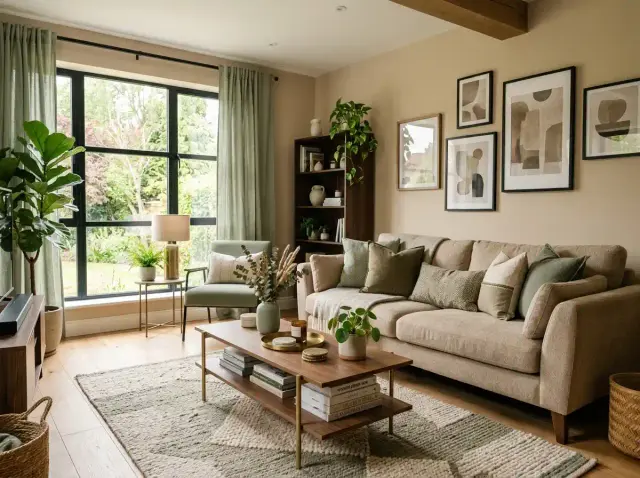

Wooden flooring has become one of the most preferred choices for homeowners, architects, and interior designers because it combines natural beauty with long-lasting performance. A well-designed wooden floor can instantly transform the appearance of a room, making it feel warmer, brighter, and more luxurious. Whether you are building a new home or renovating an existing one, choosing the right flooring solution is an important decision that affects both aesthetics and functionality.
Modern wooden floors are available in a wide variety of materials, finishes, colors, and textures to match different interior styles. From traditional hardwood to engineered wood and laminate options, homeowners have numerous choices depending on their budget and maintenance preferences. Besides improving visual appeal, wooden surfaces are also known for their durability and timeless elegance.
This comprehensive guide explains everything you need to know about wooden flooring, including its types, advantages, installation process, maintenance tips, cost considerations, and factors to consider before making your investment.
Why Wooden Flooring Is So Popular
The growing popularity of wooden flooring is driven by its ability to complement almost every style of home décor. Whether your interior design is modern, rustic, Scandinavian, minimalist, or traditional, wooden floors blend naturally with furniture, lighting, and wall colors.

Another major advantage is durability. High-quality wood floors can last for decades when properly maintained. Unlike some surface materials that quickly lose their appearance, wood develops character over time while maintaining its charm.
Wood also offers natural insulation properties that help maintain comfortable indoor temperatures. It provides a softer walking experience than tiles while reducing noise levels inside the home. Additionally, many homeowners appreciate the fact that wooden floors can increase property value, making them a worthwhile long-term investment.
Because of these benefits, many people now consider flooring selection as one of the most important decisions during home construction or renovation.
Types of Wooden Flooring
There are several types of wooden flooring available in the market, each designed to suit different budgets and requirements.
1. Solid Hardwood Flooring
Solid hardwood consists of a single piece of natural wood throughout its thickness. It offers exceptional durability and can be refinished multiple times during its lifespan.
Popular hardwood species include:
- Oak
- Maple
- Walnut
- Teak
- Ash
Solid hardwood is ideal for living rooms, bedrooms, and dining areas where moisture exposure is minimal.
2. Engineered Wood Flooring
Engineered wood features multiple layers of wood with a hardwood veneer on the surface. This construction provides greater stability against humidity and temperature changes.
It offers:
- Better moisture resistance
- Easier installation
- Excellent appearance
- Lower expansion and contraction
Many homeowners choose engineered wood because it provides the beauty of hardwood at a relatively affordable price.
3. Laminate Wood Flooring
Laminate flooring is manufactured using compressed fiberboard with a photographic wood finish protected by a durable wear layer.
Advantages include:
- Budget-friendly
- Scratch resistant
- Easy maintenance
- Wide variety of designs
Although not made entirely from natural wood, laminate successfully mimics the appearance of premium hardwood.
Benefits of Wooden Flooring
Wooden flooring provides several practical and aesthetic benefits that make it one of the most valuable home improvements.
Some major advantages include:
- Elegant and timeless appearance
- Long service life
- Easy cleaning
- Improved indoor aesthetics
- Better resale value
- Suitable for most interior styles
- Comfortable walking surface
- Allergy-friendly compared to carpets
Unlike carpets that trap dust and allergens, wooden surfaces are much easier to clean. Regular sweeping and occasional mopping help maintain their original beauty.
Choosing premium-quality flooring materials also reduces the need for frequent replacements, saving money over the long term.
Wooden Flooring Comparison Table
| Flooring Type | Durability | Water Resistance | Maintenance | Cost |
|---|---|---|---|---|
| Solid Hardwood | Excellent | Low | Moderate | High |
| Engineered Wood | Very Good | Medium | Easy | Medium |
| Laminate | Good | Medium | Very Easy | Low |
| Vinyl Wood Look | Good | Excellent | Easy | Medium |
This comparison helps homeowners choose the most suitable option based on their lifestyle, budget, and maintenance expectations.
How to Choose the Right Wooden Flooring
Selecting the right wooden flooring depends on several important factors beyond appearance.
First, consider the room where it will be installed. Living rooms and bedrooms are ideal for hardwood, while engineered wood performs better in areas with moderate humidity.
Second, evaluate your budget. Premium hardwood offers unmatched longevity, while engineered wood and laminate provide attractive alternatives for cost-conscious buyers.

Third, think about maintenance. Families with children and pets may prefer surfaces with scratch-resistant finishes that require minimal upkeep.
The color of the wood should also complement furniture, wall paint, and natural lighting. Lighter shades create a spacious feel, while darker woods add warmth and sophistication.
When selecting flooring, balancing appearance, durability, maintenance, and budget ensures the best long-term value.
Installation Process
Professional installation plays a significant role in ensuring the longevity of wooden flooring.
The typical installation process includes:
Preparing the Surface
The existing floor must be clean, level, and dry before installation begins.
Moisture Testing
Professionals test moisture levels to prevent future expansion or warping.
Installing Underlayment
A quality underlayment improves comfort, insulation, and sound reduction.
Laying the Flooring
Depending on the material, installation may involve glue-down, nail-down, or click-lock systems.
Finishing Touches
Skirting boards, trims, and transitions are installed to create a polished appearance.
Proper installation significantly improves the durability and appearance of your flooring investment.
Maintenance Tips for Long-Lasting Wooden Floors
Maintaining wooden floors is relatively simple when proper care is followed consistently.
Some effective maintenance practices include:
- Sweep regularly to remove dust.
- Use microfiber mops instead of excessive water.
- Wipe spills immediately.
- Use furniture pads under heavy items.
- Avoid dragging furniture.
- Maintain indoor humidity.
- Refinish hardwood floors when necessary.
Avoid harsh chemicals and excessive moisture, as they may damage the protective finish over time.
Routine maintenance preserves the natural beauty of wooden surfaces while extending their lifespan for many years.
Common Mistakes to Avoid
Many homeowners unknowingly reduce the life of their wooden flooring by making avoidable mistakes.
Common errors include:
- Using excessive water while cleaning
- Ignoring humidity changes
- Purchasing low-quality materials
- Skipping professional installation
- Not using protective furniture pads
- Delaying repairs for scratches or dents
Preventing these mistakes ensures your investment remains attractive and functional for decades.
Proper care and responsible use make flooring one of the most durable features of any home.
Cost Factors to Consider
The overall cost of wooden flooring depends on multiple variables.
Major pricing factors include:
- Type of wood
- Material quality
- Thickness
- Brand
- Room size
- Installation charges
- Underlayment
- Surface preparation
- Finishing options
Although hardwood may involve higher upfront costs, its long lifespan often makes it more economical over several decades compared to materials requiring frequent replacement.
When budgeting, always include installation and maintenance expenses rather than considering only material costs.
Future Trends in Wooden Flooring
Interior design trends continue to evolve, making wooden flooring more versatile than ever before.
Some emerging trends include:
- Wide wooden planks
- Matte finishes
- Sustainable wood sourcing
- Natural wood textures
- Light oak shades
- Waterproof engineered wood
- Eco-friendly manufacturing
- Smart installation systems
Manufacturers are increasingly focusing on environmentally responsible production methods while improving durability and ease of maintenance.
These innovations make modern flooring solutions suitable for a broader range of homes and lifestyles than ever before.
Conclusion
Wooden flooring remains one of the most elegant, practical, and long-lasting choices for residential interiors. Its timeless appearance, excellent durability, easy maintenance, and ability to increase property value make it a worthwhile investment for homeowners seeking both beauty and functionality. Whether you choose solid hardwood, engineered wood, or laminate, selecting high-quality materials and ensuring professional installation are essential for achieving the best results. Regular cleaning, proper maintenance, and careful use will help preserve the floor’s appearance for many years. As technology and manufacturing continue to improve, modern wooden floors offer even greater durability, sustainability, and design flexibility. By carefully considering your budget, room requirements, and maintenance preferences, you can confidently choose the ideal flooring solution that enhances the comfort, style, and value of your home for decades to come.
Read more: Luxury Home Renovation: Transform Your Living Space with Premium Design