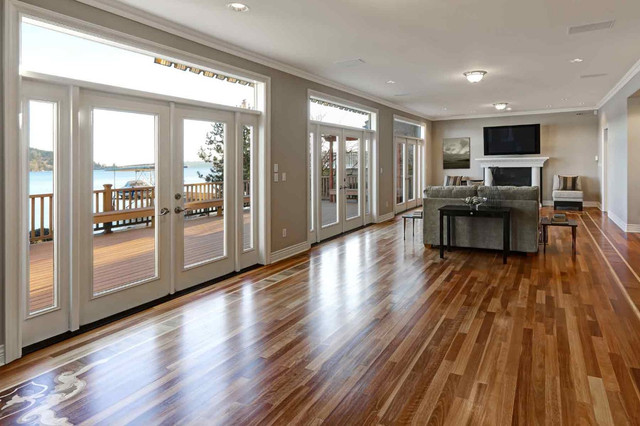
Flooring plays a crucial role in defining the appearance, comfort, and functionality of any home or commercial space. Among the numerous flooring options available today, wooden flooring remains one of the most popular choices due to its timeless elegance, warmth, and durability. Whether used in modern apartments, traditional homes, offices, or luxury establishments, wood floors add character and sophistication that few other materials can match.
Over the years, advances in manufacturing and finishing technologies have expanded the variety of wood flooring products available, allowing homeowners to choose from a wide range of colors, textures, finishes, and installation methods. Beyond aesthetics, wooden floors also offer practical advantages such as easy maintenance, long lifespan, and improved indoor appeal.
This comprehensive guide explores everything you need to know about wooden flooring, including its benefits, types, installation process, maintenance requirements, and factors to consider before making an investment.
Why Wooden Flooring Remains a Popular Choice
The enduring popularity of wood floors stems from their ability to complement virtually any interior design style. From rustic farmhouses to sleek contemporary apartments, wood flooring provides a versatile foundation that enhances furniture, décor, and architectural elements.

One of the biggest reasons homeowners choose wood floors is their natural beauty. Every plank has unique grain patterns and color variations that create a distinctive appearance. Unlike synthetic alternatives, genuine wood develops character over time, often becoming more attractive as it ages.
Another major advantage is durability. High-quality wood floors can last for decades when properly maintained. Many historic buildings still feature original wood flooring that remains functional and visually appealing after generations of use. Additionally, wood flooring can increase property value because prospective buyers often view it as a premium feature.
The combination of visual appeal, longevity, and investment value makes wood flooring an attractive option for both residential and commercial environments.
Types of Wooden Flooring
Understanding the different types of wood flooring is essential before making a purchasing decision. Each category offers unique characteristics, benefits, and price points.
Solid Hardwood Flooring
Solid hardwood flooring consists of planks made entirely from natural wood. Popular species include oak, maple, walnut, cherry, and teak. These floors can be sanded and refinished multiple times, making them highly durable and long-lasting.
Solid hardwood is often preferred for its authenticity and premium appearance. However, it can be sensitive to moisture and temperature fluctuations, making it less suitable for certain environments.
Engineered Wood Flooring
Engineered wood flooring features a real wood veneer layer bonded to multiple layers of plywood or composite materials. This construction improves dimensional stability and resistance to moisture.
Because of its enhanced performance, engineered flooring can often be installed in areas where solid hardwood may not be recommended. It provides the appearance of natural wood while offering greater flexibility.
Laminate Wood Flooring
Laminate flooring replicates the appearance of wood using high-resolution photographic layers protected by a durable wear surface. Although it is not made entirely from wood, it offers an affordable alternative with easy maintenance and installation.
Parquet Flooring
Parquet flooring consists of small wooden pieces arranged in decorative geometric patterns. It creates a distinctive visual effect and is commonly found in luxury homes, hotels, and historical buildings.
Benefits of Wooden Flooring
The growing demand for wooden flooring is largely due to the numerous advantages it offers compared to other flooring materials.
Some of the most notable benefits include:
- Elegant and timeless appearance
- Long lifespan with proper care
- Improved property value
- Easy cleaning and maintenance
- Wide variety of styles and finishes
- Compatibility with different interior designs
- Better indoor air quality compared to carpets
- Possibility of refinishing and restoration
Wood flooring also creates a warm and inviting atmosphere. Unlike cold tile surfaces, wood naturally feels more comfortable underfoot, making living spaces more welcoming.
For families with allergies, wood floors can be especially beneficial because they do not trap dust, pollen, and pet dander as carpets often do. This contributes to a cleaner indoor environment.
Comparing Different Wooden Flooring Options
The following table highlights key differences among common wood flooring types:
| Flooring Type | Durability | Cost | Moisture Resistance | Refinishing Ability |
|---|---|---|---|---|
| Solid Hardwood | High | High | Moderate | Multiple Times |
| Engineered Wood | High | Medium to High | High | Limited Times |
| Laminate | Medium | Low | Moderate | Not Possible |
| Parquet | High | High | Moderate | Possible |
Choosing the right option depends on budget, location, maintenance preferences, and desired appearance.
Choosing the Right Wood Species
The species of wood significantly influences durability, color, grain pattern, and overall appearance. Different wood types offer varying levels of hardness and visual appeal.
Oak
Oak remains one of the most popular choices due to its durability and attractive grain patterns. It is available in various shades and works well with numerous design styles.
Maple
Maple offers a lighter appearance with subtle grain details. Its hardness makes it suitable for high-traffic areas.
Walnut
Walnut is prized for its rich, dark color and luxurious appearance. It is often selected for upscale interiors seeking sophistication and elegance.
Cherry
Cherry wood develops deeper color tones over time, creating a warm and refined aesthetic.
Teak
Teak contains natural oils that enhance resistance to moisture and insects, making it ideal for challenging environments.
Selecting the appropriate wood species ensures the floor aligns with both functional requirements and design goals.
Installation Methods for Wooden Flooring
Proper installation is essential for maximizing performance and longevity. Several installation techniques are commonly used depending on the flooring type.
Nail-Down Installation
Frequently used for solid hardwood flooring, this method secures planks directly to a wooden subfloor using nails or staples.
Glue-Down Installation
In this approach, flooring is bonded to the subfloor using specialized adhesives. It is commonly used for engineered wood products.
Floating Floor Installation
Floating floors are not permanently attached to the subfloor. Instead, planks interlock and rest over an underlayment. This method is popular for engineered and laminate flooring due to its simplicity.
Before installation begins, the flooring material should acclimate to the room’s temperature and humidity levels. Proper preparation helps minimize expansion and contraction issues later.
Maintaining Wooden Flooring for Long-Term Beauty
Regular maintenance is crucial for preserving the appearance and durability of wooden flooring. Fortunately, caring for wood floors is relatively straightforward.

Daily maintenance typically involves sweeping or vacuuming to remove dirt and debris that can scratch the surface. Using a microfiber mop helps maintain cleanliness without introducing excessive moisture.
Additional maintenance tips include:
- Wipe spills immediately
- Use furniture pads to prevent scratches
- Avoid dragging heavy furniture
- Maintain consistent indoor humidity levels
- Place mats near entrances
- Use recommended cleaning products
Periodic professional maintenance may also be beneficial, especially for older floors showing signs of wear.
With proper care, wooden flooring can maintain its beauty for decades while continuing to enhance the overall appearance of the property.
Common Challenges and How to Prevent Them
Although wood floors offer many advantages, they can experience certain issues if not properly maintained.
Scratches and Dents
Heavy furniture, pet claws, and abrasive debris can cause surface damage. Protective pads and routine cleaning help minimize these risks.
Moisture Damage
Excessive moisture may cause swelling, warping, or staining. Immediate cleanup of spills and proper humidity control are essential preventive measures.
Fading
Prolonged exposure to direct sunlight can alter wood coloration over time. Window coverings and UV-protective treatments can reduce fading.
Gaps Between Boards
Seasonal humidity changes may cause expansion and contraction, leading to temporary gaps. Maintaining stable indoor conditions helps reduce movement.
Understanding these potential challenges allows homeowners to take proactive measures that preserve floor quality.
Wooden Flooring Trends in Modern Interior Design
Contemporary design trends continue to showcase the versatility of wooden flooring. Designers are increasingly incorporating wide planks, natural finishes, and textured surfaces to create visually appealing interiors.
Lighter wood tones remain popular because they make spaces appear larger and brighter. Meanwhile, darker finishes continue to be favored in luxury settings where dramatic contrast is desired.
Sustainability has also become a significant trend. Many consumers now seek responsibly sourced wood products and environmentally conscious manufacturing practices. Reclaimed wood flooring has gained popularity for its unique appearance and reduced environmental impact.
Another emerging trend involves blending traditional wood aesthetics with modern performance enhancements, resulting in floors that offer both beauty and durability.
These innovations ensure that wood flooring remains relevant in evolving architectural and interior design landscapes.
Cost Considerations and Budget Planning
The cost of wooden flooring varies depending on factors such as wood species, plank dimensions, finish quality, and installation requirements.
Premium hardwood species generally command higher prices due to their durability and visual appeal. Engineered products often provide a balance between affordability and performance, while laminate options offer budget-friendly alternatives.
When planning a flooring project, it is important to account for:
- Material costs
- Installation expenses
- Underlayment requirements
- Surface preparation
- Finishing treatments
- Long-term maintenance
Although initial costs may be higher than some alternatives, the longevity and property value benefits of wooden flooring often justify the investment over time.
Conclusion
Wooden flooring remains one of the most desirable flooring solutions for homeowners and businesses seeking a balance of beauty, durability, and long-term value. Its natural warmth, timeless appeal, and versatility make it suitable for a wide range of interior styles and applications.
Read more: Terrace Garden Design: Transform Your Rooftop into a Green Paradise